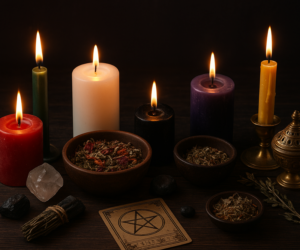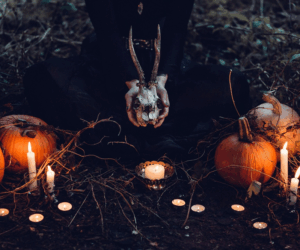
As October 31st approaches, store shelves overflow with plastic decorations, mass-produced costumes, and candy by the ton. But beneath the commercial veneer lies a holiday steeped in ancient tradition, spiritual significance, and genuine magic. Let’s peel back the layers to discover what remains of Halloween’s sacred origins and what we’ve lost to capitalism. The Ancient Beginning: Samhain Halloween traces its roots to Samhain (pronounced “SOW-win”), the Celtic festival marking the end of harvest season and the beginning of winter, the “darker half” of the year. Celebrated from sunset on October 31st to sunset on November 1st, Samhain was one of the four major Gaelic seasonal festivals, alongside Imbolc, Beltane, and Lughnasadh. The Celts believed that on this night, the veil between the physical world and the spirit realm grew impossibly thin. The boundary between the living and the dead became permeable, allowing spirits, fairies, and otherworldly beings to cross over. This wasn’t viewed with horror, but with reverence and caution. A liminal time when the rules of ordinary reality loosened. Sacred Practices of Samhain Our ancestors honored this sacred night with rituals that carried deep meaning: ~ Lighting bonfires on hilltops to guide spirits and provide protection~ Setting places at the table for deceased family members~ Leaving offerings of food and drink outside for wandering souls~ Performing divination rituals, especially concerning marriage and death~ Wearing costumes or veils to confuse malevolent spirits or to honor the dead~ Carving turnips (later pumpkins) with faces to ward off harmful entities This was a time for honoring ancestors, releasing what no longer served, and preparing spiritually for the introspective winter months ahead. The Christian Overlay: All Hallows’ Eve As Christianity spread through Celtic lands, the Church did what it often did with pagan festivals – absorbed and rebranded them. In the 8th century, Pope Gregory III designated November 1st as All Saints’ Day (All Hallows’ Day), a time to honor saints and martyrs. The night before became All Hallows’ Eve, eventually shortened to Halloween. November 2nd became All Souls’ Day, dedicated to praying for the dead. While the Church reframed the meaning, many of the old customs persisted, creating a syncretic blend of Christian and pagan traditions. The remembrance of the dead remained central, even if the theological understanding shifted. Symbolism That Endures Despite centuries of change, many Halloween symbols retain their original potency: The Jack-O’-Lantern Originally carved from turnips in Ireland and Scotland, these illuminated faces served as protection against evil spirits and as lights to guide benevolent souls. The practice transferred to pumpkins in America, where they were more plentiful. The flickering light within still represents the soul, the thin membrane between life and death, and the protective fire of transformation. Black Cats and Witches Medieval persecution linked cats (especially black ones) with witchcraft and devil worship, but the older connection runs deeper. Cats were sacred to the Celtic goddess Brigid and were believed to be shapeshifters or familiars, spirit guides in animal form. The witch herself embodies the wise woman, herbalist, and keeper of old ways that the patriarchy sought to destroy. Skeletons and Skulls The skull has been a symbol of mortality, wisdom, and ancestral knowledge across cultures. On Halloween, it reminds us that death is not an ending but a transformation. A doorway we all must pass through. In many traditions, skull imagery honors the ancestors and acknowledges the temporary nature of physical existence. Bats and Owls These nocturnal creatures represented messages from the spirit world. Bats, drawn to Samhain bonfires where they feasted on insects, became associated with the festival. Owls, as silent hunters of the night,… …
For centuries, the phrase “Thou shalt not suffer a witch to live” from Exodus 22:18 has been used to justify persecution, torture, and murder. But what if the Bible never actually condemned witches at all? What if the wise women, the herbalists, the midwives, and the village healers were never the target of this ancient text? The truth is far more complex, and far more tragic, than most people realize. The Word That Changed Everything: Kashap In the original Hebrew text of Exodus 22:18, the word translated as “witch” is kashap (כָּשַׁף). This is critical, because kashap doesn’t mean what we think of as a witch at all. Kashap refers specifically to someone who uses poison or harmful potions with malicious intent – a poisoner, a sorcerer who causes harm through toxic substances. The root of the word is associated with muttering or whispering incantations while preparing harmful concoctions. This wasn’t about the wise woman brewing healing tea or the midwife easing labor pains with herbal remedies. In ancient Near Eastern context, a kashap was closer to what we might call a malicious poisoner or one who used substances to harm, manipulate, or kill others, often for payment. These were individuals who worked in secret to cause genuine harm, not community healers working openly to help their neighbors. The verse, more accurately translated, might read: “You shall not allow a poisoner to live” or “Do not tolerate one who harms through toxic sorcery.” The Wise Women Who Were Never Condemned Throughout the Biblical narrative, we actually see women in roles that would later be called “witchcraft” by European standards, and they’re not condemned for it. Midwives like Shiphrah and Puah are celebrated as heroes who defied Pharaoh to save Hebrew babies. The woman of En-dor, though operating outside official religious channels, isn’t condemned in the text for her abilities, Saul seeks her out, and the narrative treats her sympathetically. The “virtuous woman” of Proverbs 31 is praised for her knowledge of herbs and textiles, skills that would later mark women as suspicious. The Biblical text distinguishes between harmful magic (kashap, using poisons to harm) and the everyday wisdom of women who understood plants, healing, and the mysteries of birth and death. The herbalist mixing remedies, the midwife catching babies, the woman who knew when to plant by the moon. These were never the target. When Religion Became a Weapon: Europe’s Dark Turn Fast forward to medieval and early modern Europe. Christianity had spread across the continent, but something sinister was brewing. As the Church consolidated power and patriarchal structures tightened their grip, fear became a useful tool of control. The translation of the Bible into Latin, then into vernacular European languages, carried that single word kashap into a completely different cultural context. European translators, influenced by their own cultural fears and misogyny, chose words like “witch” (English), Hexe (German), and sorcière (French) – words loaded with meaning in their own cultures. But European “witches” weren’t poisoners. They were often simply women who: ~ Possessed knowledge of herbal medicine~ Served as midwives and healers~ Lived independently without male oversight~ Owned property or spoke too boldly~ Were elderly and no longer “useful” to patriarchal society~ Were convenient scapegoats when crops failed or illness struck The mistranslation provided Biblical justification for something the text never actually endorsed: the systematic persecution of women, particularly those with knowledge, independence, or property. Fear as a Weapon of Control The European witch hunts (roughly 1450-1750) resulted in the execution of an estimated 40,000 to 60,000 people, with some historians suggesting the number could be much higher. The… …
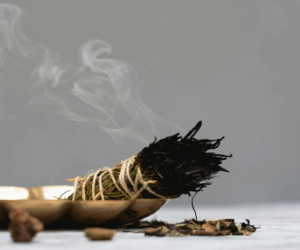
There’s something ancient about cloves. These small, nail-shaped buds carry within them a warmth that goes far beyond their culinary uses. In witchcraft and folk magic traditions, cloves have long been revered as powerful allies for protection, banishment, and crossing between worlds. What Are Cloves? Cloves are the dried flower buds of the clove tree (Syzygium aromaticum), native to the Maluku Islands of Indonesia. Their name comes from the Latin word clavus, meaning “nail,” which perfectly describes their distinctive shape. But don’t let their small size fool you. These aromatic buds pack an intense, warming energy that has made them invaluable in magical practice for centuries. In the witch’s apothecary, cloves represent the element of fire. They carry yang energy – active, protective, and purifying. Their correspondences include Mars and Jupiter, making them excellent for workings involving strength, courage, prosperity, and spiritual protection. Traditional Magical Uses Cloves are remarkably versatile in magical practice: Protection and Banishment Their fierce, warming nature makes cloves exceptional for protective magic. They don’t just shield, they actively repel negative energies and unwanted influences. Purification Burning cloves cleanses spaces of stagnant or harmful energies, much like how their antiseptic properties cleanse physical spaces. Attraction and Prosperity Despite their protective nature, cloves also draw in wealth, success, and positive opportunities. Mental Clarity The sharp, piercing scent of cloves cuts through mental fog and enhances focus during divination or meditation. Fire and Protection: The Clove Shield Cloves embody protective fire. Not the wild, destructive flames, but the hearth fire that guards the home and the sacred flame that wards off malevolent forces. Their heat is focused and intentional. To create a simple protection charm, take nine whole cloves and wrap them in red cloth, binding it with black thread while speaking your intention for protection. Carry this in your pocket or place it above your doorway. The number nine amplifies their protective qualities, representing completion and the sacred triad repeated three times. For more immediate protection, you can burn whole cloves on charcoal during challenging situations or when you feel spiritually vulnerable. The smoke creates an energetic barrier that’s difficult for negative influences to penetrate. Some practitioners add cloves to protection oil blends, steeping them in carrier oil beneath a full moon for extra potency. A traditional floor wash for protection involves simmering cloves with salt and rosemary, then using the strained water to wash doorways and windowsills. This creates an invisible boundary that guards your space. At the Threshold: Doorway Magic The threshold, that liminal space between inside and outside, between mundane and sacred, is where cloves truly shine. Doorways are inherently magical spaces, neither here nor there, and they require special attention in protective practice. Scatter whole cloves across your doorstep to prevent harmful energies or ill-intentioned people from entering. Some traditions suggest placing a clove in each corner of the doorframe, creating a square of protection. When visitors leave, sweep the cloves away, believing they’ve captured any negative energy the visitor may have brought. For a more permanent threshold guardian, create a protection bottle to bury near your front entrance. Fill a small jar with cloves, salt, iron nails, and broken glass or thorns. Seal it with black wax and bury it on the left side of your doorway (as you face outward). This creates a fierce guardian that will protect your home for years. You can also dress your doorframe with clove oil, anointing the top and sides while visualizing a barrier of protective fire sealing your home. Refresh this during the dark moon for continued protection. Dream Rituals: The Night Watchman While cloves… …
Throughout human history, across cultures and spiritual traditions, the number seven has held profound significance. From the seven chakras to the seven heavens, from the seven days of creation to the seven colors of the rainbow. This sacred number appears again and again as a symbol of completeness, spiritual perfection, and divine order. But what is the “seventh wave,” and why does this frequency matter so deeply in our spiritual evolution? What Is the Seventh Wave? The seventh wave represents the culmination of a cycle, the point of completion and mastery before a new octave begins. In metaphysical traditions, it’s understood as the frequency of spiritual maturity, divine alignment, and the integration of all previous lessons. When we talk about “group 7” or working with seventh wave energy, we’re referring to those who carry or are working with this completion frequency. People who are here to synthesize, integrate, and bridge the material and spiritual realms. Think of it like this: if the first six waves represent stages of learning, building, and experiencing, the seventh wave is the integration of all that wisdom into conscious mastery. It’s the sabbath after six days of creation, the crown chakra after six energy centers, the final heaven that contains and transcends all others. The Origins: Where Does This Understanding Come From? The sacred nature of seven appears across virtually every major spiritual tradition and mystical teaching: The Seven Chakras In Hindu and yogic traditions, the seven primary chakras represent the journey from root to crown, from earth to heaven, from survival consciousness to divine union. The seventh chakra, Sahasrara, is the crown – the point of enlightenment and connection to universal consciousness. The Seven Rays of Creation In Theosophical and esoteric teachings, the Seven Rays represent the seven primary emanations of divine consciousness. Each ray carries a specific quality and purpose, and the seventh ray is often associated with ceremonial magic, transmutation, and the manifestation of heaven on earth. The Seven Heavens Found in Islamic, Jewish, and various mystical traditions, the seven heavens represent ascending levels of spiritual reality. The seventh heaven is the dwelling place of divine presence, the ultimate destination of the soul’s journey. Biblical Significance Seven appears throughout scripture – seven days of creation, seven churches, seven seals, seven spirits before the throne. It represents divine completion and perfection. Natural Cycles Seven days in a week, seven notes in a musical scale (before the octave), seven colors in the visible spectrum. Nature itself reflects this pattern of seven as a complete cycle. Working With Cloves: Practical Tips When incorporating cloves into your practice, remember that a little goes a long way. Their energy is concentrated and powerful. Start with small amounts and observe how they affect your workings. Always source cloves that feel energetically alive. They should have a strong, warm aroma. Dull or old cloves have lost much of their magical potency along with their scent. Whole cloves are generally more powerful for magical work than ground cloves, as they retain their essential oils and life force longer. However, ground cloves can be useful in powder blends, floor washes, and when you need their energy dispersed quickly. If you’re sensitive to strong energies, approach cloves with respect. Their protective fire can feel overwhelming to some practitioners. You can balance their intensity by combining them with gentler herbs like lavender or rose. The Symbolism and Frequency of Seven The number seven represents ~ Completion and wholeness: The end of a cycle before transformation into a new octave~ Spiritual wisdom: The integration of material experience with divine understanding~ Rest and reflection: The… …
Today marks another trip around the sun for me, and as an October Scorpio, I’ve been reflecting on what makes our energy so distinctly different from our November Scorpio siblings. While we share the same intense, magnetic sign, the cosmic timing of our births creates two very different expressions of Scorpio power. The Dual Rulership: Mars and Pluto Scorpio is unique in that it’s ruled by two powerful planets: Mars, the ancient ruler, and Pluto, the modern ruler. But here’s where October and November Scorpios diverge. Those of us born in October carry more of Mars’ fierce, warrior-like energy. We’re the first-decan Scorpios, and that Martian influence makes us quick to react, ready to strike, and always prepared to take immediate action. Mars gives us that signature fire in our veins. We don’t just feel intensely, we move intensely. When something triggers our passion or our protective instincts, we respond with lightning speed. There’s no hesitation, no second-guessing. We see what needs to be done, and we do it. November Scorpios, on the other hand, lean more heavily into Pluto’s transformative, mysterious energy. They’re the strategists, the ones who play the long game. While we’re charging forward, they’re planning ten moves ahead, working in the shadows to orchestrate deep, lasting change. Fiercely Independent and Ready for Battle As an October Scorpio, independence isn’t just a preference – it’s a necessity. We need to feel autonomous, capable, and self-sufficient. The idea of relying on others or being constrained by someone else’s timeline or decisions? It makes our skin crawl. We’re the ones who would rather do something ourselves than wait for help, even if it means taking the harder path. This fierce independence is deeply tied to our Mars influence. We’re warriors at heart. We don’t back down from challenges; we run toward them. When life throws obstacles in our path, our first instinct isn’t to retreat or strategize, it’s to face them head-on with courage and determination. No Games, No Secrets: What You See Is What You Get Here’s something that sets October Scorpios apart from the typical Scorpio stereotype – we express our emotions openly. While November Scorpios are known for being mysterious, secretive, and hard to read, we wear our hearts on our sleeves, albeit armored ones. We speak our minds without hesitation. We don’t play games. If we like you, you’ll know. We’ll show up for you, fight for you, and make our loyalty crystal clear. If we don’t like you? You’ll definitely know. We’re not the type to smile politely while harboring resentment. We’re direct, sometimes brutally so, and we’d rather have an honest confrontation than maintain a false peace. This transparency comes from that Mars-driven fearlessness. We’re not afraid of conflict or confrontation. In fact, we sometimes prefer it to the alternative of pretending everything’s fine when it’s not. Driven, Fearless, and Explosive We are warriors in the truest sense. We don’t hide, we don’t manipulate from the shadows, and we certainly don’t wait for things to come to us—we chase what we want with relentless determination. This makes us incredibly driven and fearless, but it also makes us impulsive. That Martian quickness is both our superpower and our challenge. We react fast, sometimes too fast. When we feel threatened, disrespected, or passionate about something, our response is immediate and intense. We’re prone to explosive reactions when provoked. That fire doesn’t just burn; it erupts. This can make us incredibly effective in crisis situations. When everyone else is frozen in indecision, we’re already three steps ahead, taking action and solving problems. But it can also… …
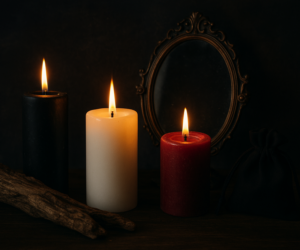
As October wanes and the veil between worlds grows thin, we approach one of the most spiritually significant times of the year: Samhain. Pronounced “SOW-in” or “SAH-win,” this ancient Celtic festival marks the transition from the lighter half of the year into the darkness of winter, a time when our ancestors believed the boundary between the physical and spiritual realms became permeable. What is Samhain? Samhain is an ancient Gaelic festival that traditionally falls on October 31st through November 1st, marking the end of the harvest season and the beginning of winter in the Celtic calendar. For the ancient Celts, this was more than just a seasonal marker. It was considered the most important of the four fire festivals, a time when the ordinary laws of time and space were temporarily suspended. The Celts believed that on Samhain night, the souls of the dead would return to visit their homes, and other spirits could cross over into our world. Rather than fearing this thinning of the veil, they embraced it as an opportunity to honor those who had passed and to seek wisdom from the otherworld. The History and Significance Historically, Samhain represented the “third harvest” – the final gathering before winter’s arrival. Livestock were brought down from summer pastures, and animals that couldn’t be sustained through the cold months were slaughtered. It was a time of both plenty and preparation, of gratitude and solemnity. Communities would extinguish their hearth fires and gather around massive sacred bonfires lit by Druids, where they would offer sacrifices of crops and animals. From these communal flames, people would relight their home fires, carrying the protective blessing back to their households. How to Honor Your Ancestors This Samhain Create a Sacred Ancestor Altar Set aside a special space in your home to honor those who came before you. This can be simple or elaborate, depending on your preference: ~ Place photographs of deceased loved ones, ancestors, or spiritual guides~ Add items that belonged to them or represent their memory~ Include offerings such as their favorite foods, drinks, or flowers~ Light candles to illuminate their way and show they’re remembered~ Add seasonal elements like autumn leaves, acorns, or pumpkins Prepare a Dumb Supper A “dumb supper” is a traditional Samhain meal eaten in silence to honor the dead. Set an extra place at your table for ancestors or departed loved ones. Serve their favorite dishes and eat mindfully, reflecting on their lives and legacies. Some traditions involve serving the spirit plate first and leaving it out overnight. Practice Divination Samhain has long been associated with divination and seeking guidance. The thinning veil makes this an ideal time for: ~ Tarot or oracle card readings~ Scrying with mirrors, water, or crystal balls~ Meditation and ancestral communication~ Journaling about messages or dreams received Light Candles and Speak Their Names One of the most powerful and simple ways to honor ancestors is to light a candle and speak their names aloud. Share stories about them, remember their wisdom, and acknowledge the gifts they’ve passed down through generations. This keeps their memory alive and strengthens the ancestral bond. Engage in Reflection and Release Samhain marks an ending and invites us to release what no longer serves us. Write down habits, relationships, or patterns you wish to let go of, and safely burn the paper in a cauldron or fireplace, releasing them into the transformative flames. Modern Samhain Practices While Samhain has evolved and blended with Halloween traditions, many modern practitioners honor it as a sacred sabbat: ~ Nature Walks: Gather fallen leaves, acorns, and other autumn treasures while reflecting… …
In the Fishlake National Forest of Utah, there exists a being older than the pyramids, more vast than a city, and more interconnected than any social network humanity has ever created. Its name is Pando – Latin for “I spread” – and it is one of the most powerful living teachers for those who practice earth magic. But Pando is not what you think. It looks like a forest of 47,000 individual aspen trees spread across 106 acres. Yet beneath the soil, these trees are all connected by a single, massive root system. Pando is not a forest. It is one organism, one tree, cloning itself again and again, living as a collective. And it has been doing this for an estimated 80,000 years. The Living Paradox Pando embodies a profound magical paradox: it is simultaneously one and many, individual and collective, dying and eternal. Each trunk lives for only 100-150 years before it falls. New shoots spring up from the roots constantly. Above ground, there appears to be birth and death, the natural cycle we recognize. But below ground, the root system, the true organism, persists. The individual dies; the collective endures. This is deep magic. This is the kind of wisdom that changes how you practice. Magical Lessons from Pando True Power Lies in Connection Modern witchcraft often focuses on the individual – your power, your practice, your path. But Pando reminds us that true strength comes from interconnection. Those 47,000 trunks share water, nutrients, and energy through their roots. When one part of the colony struggles, the others support it. In your practice, this speaks to: ~ Coven work and community magic – You are stronger together than apart~ Ancestor connection – You are one expression of a much older root system~ Working with the land – Everything in an ecosystem is connected~ Understanding that your magic affects others – You are never truly practicing alone The Illusion of Separation When you look at Pando, you see individual trees. You might even pick a favorite. But that’s an illusion. There are no individuals here. Only the appearance of individuality. This is one of the most challenging spiritual truths: the boundaries we perceive between self and other, between you and nature, between human and earth, are useful fictions. We are all expressions of the same life force, the same ancient root system. In magic, recognizing this means: ~ You cannot harm the earth without harming yourself – There is no separation~ Your healing is collective healing – When you heal, you heal the web~ Grounding isn’t just a technique – It’s remembering you’re part of the root system~ Working with nature spirits becomes less about “other” and more about “kin” Patience Beyond Human Understanding Eighty thousand years. Pando has lived through the entire span of human civilization multiple times over. It was ancient when the first pyramids were built. It was here during the Ice Age. It will likely be here long after we’re gone. This kind of timescale breaks the human mind, and that’s the point. Our magic often wants immediate results. We cast spells and expect change within the lunar cycle. But earth magic, real deep magic, sometimes works on geological time. Pando teaches us ~ Some magic takes generations to manifest – Plant trees you’ll never see grown~ Trust in slow transformation – The most profound changes are often invisible~ Your practice is part of something much older – You’re carrying forward ancient work~ Success isn’t measured in your lifetime – Impact ripples beyond your perception Death Is Not the End Individual aspen trunks in… …
We live in an age of optimization. Our homes are curated for function, flow, and aesthetic cohesion. Marie Kondo taught us to keep only what sparks joy. Minimalism tells us less is more. Every lifestyle influencer has a system, a method, a five-step process for making your space “work better.” And yet, I’m here to argue for the opposite: You need at least one object in your home that makes absolutely no logical sense. Not something quirky-but-practical. Not a conversation starter that you can explain away. I mean something truly, wonderfully, stubbornly illogical. Something that violates every principle of good design and sensible living. Something that exists simply because it exists, and for no other reason. Why You Need the Illogical It Keeps You Human When everything in your life has a purpose, you start to feel like a machine. The coffee maker makes coffee. The meditation cushion facilitates mindfulness. The art on the wall “ties the room together.” But humans aren’t efficient. We’re gloriously, messily irrational creatures who fall in love with things for reasons we can’t articulate. That ceramic frog wearing a top hat? That broken clock you’ll never fix? That inexplicable collection of hotel soap you’ll never use? These things remind you that you’re allowed to want things without justification. You’re allowed to occupy space in the world without earning it through productivity or purpose. It’s a Rebellion Against Optimization Culture We’re drowning in efficiency. Our phones track our steps. Our homes learn our preferences. Every object is supposed to serve multiple functions. Like the ottoman that’s also storage, the mirror that’s also a medicine cabinet, the couch that becomes a bed. The illogical object is a middle finger to all of that. It serves no function. It doesn’t optimize anything. It might even make your space slightly less efficient. And that’s precisely the point. It declares: “Not everything needs to be useful. Not everything needs to make sense. Some things just are.” It Creates Necessary Imperfection Perfect spaces feel sterile. They feel like showrooms, not homes. The illogical object is the crack in the marble, the thread that doesn’t match, the note that’s slightly off-key but makes the song memorable. Wabi-sabi, the Japanese aesthetic philosophy, celebrates imperfection and impermanence. Your illogical object is your personal practice of wabi-sabi. It’s the thing that makes your space yours, not just another Pinterest board come to life. It Tells a Story Only You Know Maybe it’s a piece of driftwood you picked up on a terrible vacation that somehow became wonderful. Maybe it’s a toy from your childhood that means nothing to anyone else. Maybe it’s something you bought in a strange mood at 2 AM that still makes you laugh. These objects are portals to private moments. They don’t need to make sense to visitors because they’re not for visitors. They’re for you, holding memories or feelings that can’t be explained in a neat elevator pitch. How to Choose Your Illogical Object Rule 1: It Cannot Be Justified If you can explain why it’s there in any reasonable way, it doesn’t count. “It was a gift from my grandmother” is logical. “I thought the asymmetry was interesting” is logical. “I genuinely don’t know why I love this, but I do” is what we’re after. Rule 2: It Should Slightly Confuse Guests Not in an alarming way. No one should feel unsafe. But the ideal illogical object makes people pause and think “huh?” before moving on. It creates a tiny moment of cognitive dissonance. A taxidermied squirrel in Victorian dress. A single rollerskate on a bookshelf. A collection of… …
Water has long been revered as one of the most powerful elements in magical practice. From ancient civilizations to modern witchcraft, water serves as a conduit for cleansing, blessing, divination, and transformation. But not all water is created equal in the craft. Each type carries its own unique energetic signature and magical properties. Moon Water Perhaps the most popular in contemporary witchcraft, moon water is created by leaving water under the light of the moon, typically during a full moon. This charged water absorbs lunar energy and is particularly potent for: Intuition and psychic work – The moon governs our subconscious mind Emotional healing – Drawing on the moon’s connection to our feelings Manifestation rituals – Especially when made during the new moon Cleansing tools and crystals – Gentle yet powerful energetic reset Different moon phases create different energies: new moon water for beginnings, full moon water for culmination and power, waning moon water for banishing. Storm Water Collected during thunderstorms, storm water carries raw, dynamic energy. This is aggressive, transformative water that should be handled with respect. Use storm water for: Protection spells – Channeling the storm’s fierce defensive energy Breaking hexes or negative patterns – Its chaotic energy disrupts stagnant situations Courage and strength workings – Tapping into nature’s power Rapid transformation – When you need dramatic change Always collect storm water safely, and never use water contaminated by pollutants. River or Stream Water Flowing water represents movement, progress, and the passage of time. River water is ideal for: Removing obstacles – Let the current carry away what holds you back Travel magic – Water that moves mirrors your journey Communication spells – Rivers connect places, just as words connect people Letting go rituals – Release what no longer serves you The direction of flow matters: upstream water can reverse situations, while downstream water aids in releasing and moving forward. Ocean Water Saltwater from the sea carries immense cleansing and purifying properties. The ocean is associated with: Deep emotional healing – The ocean holds our collective unconscious Banishment and purification – Salt naturally cleanses and protects Abundance magic – The ocean’s vastness represents limitless possibility Goddess and feminine energy work – Many water deities are connected to the sea If you can’t access ocean water, you can create artificial seawater by adding sea salt to spring water. Spring Water Natural spring water emerges from the earth, making it a bridge between the water and earth elements. Spring water is perfect for: Healing work – Historically, natural springs were pilgrimage sites for healing Fertility and growth magic – Fresh water from the source of life Renewal spells – New beginnings and fresh starts Offering to spirits and deities – Pure, natural water shows respect Well Water Water drawn from wells carries grounding, earthy energy with a touch of mystery. Wells have long been seen as liminal spaces and are used for: Ancestral work – Wells connect us to those who came before Wisdom and knowledge spells – “Wisdom from the depths” Grounding rituals – Earth-filtered water anchors energy Wish magic – The ancient tradition of tossing coins in wells Snow and Ice Frozen water holds potential energy in suspension, perfect for preservation and patience magic: Binding spells – Freeze situations or people in place Preserving relationships or situations – Keep things as they are Slowing down chaos – Pause overwhelming circumstances Patience work – Good things come to those who wait Melt snow gradually for slow-release magic, or use ice in spells that need to “thaw” over time. Dew Morning dew, especially collected at dawn, carries the magic of… …
Your body is a map of your soul’s journey. Every scar tells a story, every freckle holds meaning, and those seemingly random beauty marks and birthmarks? They’re anything but random. Across cultures and throughout history, the marks we’re born with have been seen as signs, symbols, and messages. From past lives, from the divine, from our own spirit choosing where to place reminders of who we are and what we came here to do. In the witch trials of Europe and colonial America, officials searched accused witches for unusual marks, believing these were signs of demonic pacts or places where familiars suckled. While that dark history speaks to fear and persecution, it also acknowledges something our ancestors understood – the body bears witness to the spiritual. Modern witches and spiritual practitioners have reclaimed this knowledge, reading birthmarks and beauty marks not as signs of evil, but as sacred texts written on skin, soul signatures, karmic markers, and spiritual fingerprints left by our higher selves. Let’s explore what your marks might be telling you. Face: The Window to Your Soul’s Purpose Forehead Third Eye Region (Between Eyebrows): A mark here indicates strong psychic abilities, intuition, and connection to spiritual realms. You may be naturally clairvoyant or have vivid prophetic dreams. This placement suggests you came here to see beyond the veil, to be a bridge between worlds. Many healers, mediums, and mystics carry marks in this location. Center Forehead: Leadership, wisdom, and spiritual authority. You’re meant to guide others, teach, or hold space for collective transformation. This mark speaks to past lives where you held spiritual or temporal power. Perhaps as a priest, priestess, elder, or ruler. Your soul remembers how to lead. Left Forehead: Connection to feminine energy, receptivity, intuition, and the moon. You process information through feeling and knowing rather than logic alone. Your spiritual path likely involves goddess work, lunar magic, or developing your receptive gifts. Right Forehead: Masculine energy, action, logic, and the sun. You’re a spiritual warrior, someone who acts on their intuition and makes things happen in the material world. Your path involves manifestation, protection work, and using spiritual knowledge practically. Eyes Near or On Eyelid: The ability to “see” what others miss – spiritual sight, reading energy, perceiving auras or spirits. You notice details in both physical and energetic realms. This placement suggests you’re meant to be a witness, an observer who sees truth beneath surface appearances. Outer Corner of Eye: Wisdom gained through experience, often painful experience. These marks indicate an old soul who has learned difficult lessons and can now help others navigate similar challenges. You see clearly because you’ve walked through darkness and emerged. Under Eye: Emotional depth, empathy, and the ability to read others’ true feelings. You may be naturally healing to others simply through your presence. This placement is common in counselors, therapists, and anyone whose gift is holding space for others’ pain. Cheeks Right Cheek: Prosperity, abundance, and the ability to manifest material success. This mark suggests you came here to learn about and teach healthy relationship with money, resources, and physical world success. You’re meant to prosper and show others how. Left Cheek: Emotional intelligence, strong relationships, and heart-centered living. Your life lessons revolve around love – giving it, receiving it, healing it. You’re here to experience and facilitate deep emotional connections. High on Cheekbone: Pride and dignity are important to you, possibly stemming from past lives where your honor was challenged or lost. You’re learning to stand in your power without arrogance, to value yourself appropriately. Nose Bridge of Nose: Balance between spiritual and material worlds…. …