 Written by
 As October 31st approaches, store shelves overflow with plastic decorations, mass-produced costumes, and candy by the ton. But beneath the commercial veneer lies a holiday steeped in ancient tradition, spiritual significance, and genuine magic. Let’s peel back the layers to discover what remains of Halloween’s sacred origins and what we’ve lost to capitalism.
The Ancient Beginning: Samhain
Halloween traces its roots to Samhain (pronounced “SOW-win”), the Celtic festival marking the end of harvest season and the beginning of winter, the “darker half” of the year. Celebrated from sunset on October 31st to sunset on November 1st, Samhain was one of the four major Gaelic seasonal festivals, alongside Imbolc, Beltane, and Lughnasadh.
The Celts believed that on this night, the veil between the physical world and the spirit realm grew impossibly thin. The boundary between the living and the dead became permeable, allowing spirits, fairies, and otherworldly beings to cross over. This wasn’t viewed with horror, but with reverence and caution. A liminal time when the rules of ordinary reality loosened.
Sacred Practices of Samhain
Our ancestors honored this sacred night with rituals that carried deep meaning:
~ Lighting bonfires on hilltops to guide spirits and provide protection
~ Setting places at the table for deceased family members
~ Leaving offerings of food and drink outside for wandering souls
~ Performing divination rituals, especially concerning marriage and death
~ Wearing costumes or veils to confuse malevolent spirits or to honor the dead
~ Carving turnips (later pumpkins) with faces to ward off harmful entities
This was a time for honoring ancestors, releasing what no longer served, and preparing spiritually for the introspective winter months ahead.
The Christian Overlay: All Hallows’ Eve
As Christianity spread through Celtic lands, the Church did what it often did with pagan festivals – absorbed and rebranded them. In the 8th century, Pope Gregory III designated November 1st as All Saints’ Day (All Hallows’ Day), a time to honor saints and martyrs. The night before became All Hallows’ Eve, eventually shortened to Halloween.
November 2nd became All Souls’ Day, dedicated to praying for the dead. While the Church reframed the meaning, many of the old customs persisted, creating a syncretic blend of Christian and pagan traditions. The remembrance of the dead remained central, even if the theological understanding shifted.
Symbolism That Endures
Despite centuries of change, many Halloween symbols retain their original potency:
The Jack-O’-Lantern
Originally carved from turnips in Ireland and Scotland, these illuminated faces served as protection against evil spirits and as lights to guide benevolent souls. The practice transferred to pumpkins in America, where they were more plentiful. The flickering light within still represents the soul, the thin membrane between life and death, and the protective fire of transformation.
Black Cats and Witches
Medieval persecution linked cats (especially black ones) with witchcraft and devil worship, but the older connection runs deeper. Cats were sacred to the Celtic goddess Brigid and were believed to be shapeshifters or familiars, spirit guides in animal form. The witch herself embodies the wise woman, herbalist, and keeper of old ways that the patriarchy sought to destroy.
Skeletons and Skulls
The skull has been a symbol of mortality, wisdom, and ancestral knowledge across cultures. On Halloween, it reminds us that death is not an ending but a transformation. A doorway we all must pass through. In many traditions, skull imagery honors the ancestors and acknowledges the temporary nature of physical existence.
Bats and Owls
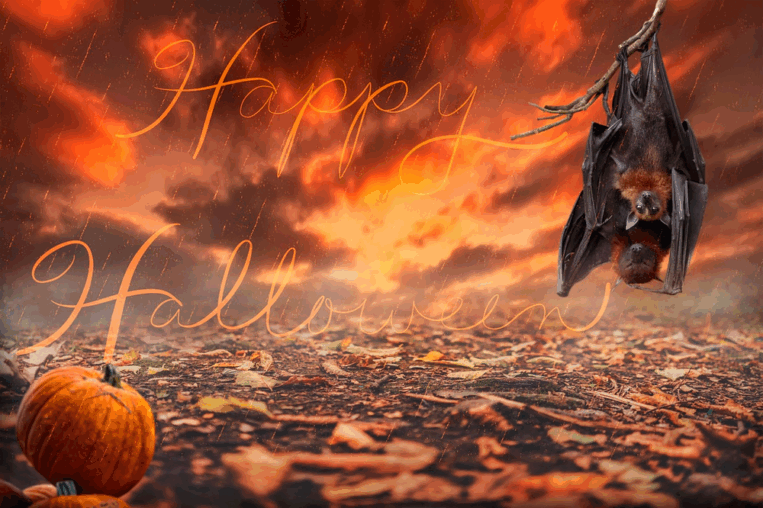
These nocturnal creatures represented messages from the spirit world. Bats, drawn to Samhain bonfires where they feasted on insects, became associated with the festival. Owls, as silent hunters of the night, were seen as psychopomps. Guides for souls transitioning between worlds.
Apples and Harvest Foods
Apples hold sacred significance in Celtic mythology as fruit of the Otherworld, associated with immortality and wisdom. Apple divination games (like bobbing for apples) weren’t just fun. They were methods of scrying the future, particularly about romance and marriage prospects.
What We’ve Lost to Commercialism
Modern Halloween generates over $10 billion annually in the United States alone. This commercial juggernaut has both preserved and perverted the holiday’s original spirit.
The Sanitization of Death
The ancient festivals embraced death as a natural part of life’s cycle, a time to commune with ancestors and contemplate mortality with reverence. Modern Halloween turns death into cartoons and jump scares. Thrilling but ultimately superficial. We’ve traded genuine spiritual reckoning for manufactured frights that we can control and consume.
Costumes as Consumption
What began as a practice of spiritual protection or ancestral honoring has become a race for the most elaborate, expensive, or sexy costume. The DIY creativity and symbolic meaning have been largely replaced by mass-produced polyester versions of whatever movie character is trending. We dress as everything except what we truly are beneath our everyday masks.
The Candy Industrial Complex
While sharing food has always been part of harvest celebrations, the modern candy industry has hijacked this tradition entirely. What was once about community, generosity, and honoring the season’s bounty has become about processed sugar and brand recognition. The offerings to spirits have become transactions with children.
Surface-Level Spookiness
The deep liminality of Samhain, that profound sense of standing at the threshold between worlds, has been replaced with decorative gravestones and plastic skeletons. The sacred darkness, pregnant with mystery and transformation, becomes something to light up with orange string lights and then pack away on November 1st.
What Remains Sacred
Despite the commercial onslaught, the old magic persists for those who seek it:
The timing itself remains potent. The thinning of the veil isn’t a metaphor. Many practitioners report that spiritual work, divination, and communication with the departed come more easily during this season. The Earth’s energy genuinely shifts as we move toward winter.
Ancestor veneration continues. Many people, witchy or not, feel drawn to remember their dead during this time. Cemetery visits spike, families share stories of those who’ve passed, and Día de los Muertos (November 1-2) keeps vibrant, reverent death traditions alive.
The symbolism speaks to our souls. Even commercial Halloween taps into archetypal imagery that resonates with something deep within us. The desire to engage with darkness, transformation, death, and the mysterious isn’t manufactured. It’s a genuine spiritual need that the season awakens.
Community gathering endures. Though transformed, the communal aspect survives in neighborhood trick-or-treating, parties, and shared experiences. The human need to gather during dark times, to light fires (or jack-o’-lanterns) together, persists.
Personal practice continues. Modern witches, pagans, and spiritual seekers maintain authentic Samhain observances. Performing rituals, honoring ancestors, doing shadow work, and marking the Wheel of the Year with intention.
Reclaiming the Sacred in the Commercial
You don’t have to abandon Halloween entirely to reconnect with its sacred roots. Consider:
~ Create a ancestor altar with photos, heirlooms, and offerings for those who’ve passed
~ Perform divination on Halloween night, when the veil is thinnest
~ Light a bonfire or candles to honor the old ways and guide beneficial spirits
~ Practice silent suppers with a place set for the dead
~ Use the energy for shadow work, releasing what no longer serves you as the year dies
~ Make offerings to the land spirits in gratitude for the harvest
~ Carve your jack-o’-lantern with intention, programming it as protection
~ Wear a costume that represents who you’re becoming, not just what’s trending
The commercial machine will churn on, but the old spirits don’t require our money. They require our attention, reverence, and remembrance. The magic remains for those willing to look beyond the plastic and reconnect with the genuine darkness, transformation, and liminality at Halloween’s ancient heart.
This Samhain, as you navigate between the costume stores and candy aisles, remember: the veil grows thin whether we acknowledge it or not. The ancestors wait. The spirits wander. And the real magic happens in the spaces capitalism can’t touch. In quiet moments of remembrance, in ritual performed with intention, in the darkness we’re brave enough to meet without turning it into a commodity.
Blessed Samhain. The veil is thin. What will you do with the magic?