 Written by
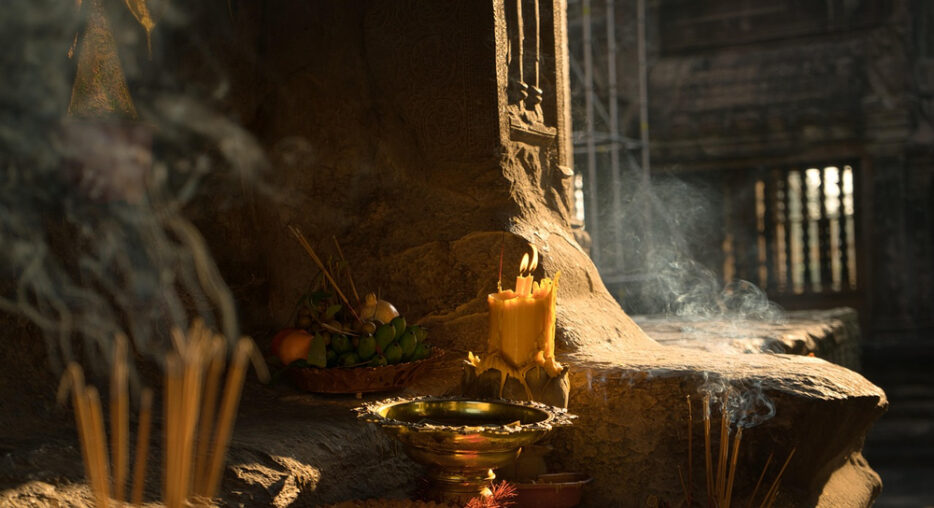
 For thousands of years, humans have turned to the sacred smoke of incense to transform spaces, elevate consciousness, and connect with the divine. From ancient temples to modern meditation rooms, the art of burning incense remains one of our most enduring spiritual practices. But with hundreds of varieties available, knowing which incense to choose for specific purposes can feel overwhelming.
This comprehensive guide will walk you through the world of incense, exploring the unique properties and traditional uses of different varieties, so you can make informed choices about what to burn and when to create the perfect atmosphere for your intentions.
Understanding Incense Basics
Before diving into specific varieties, it’s important to understand that incense works on multiple levels. The aromatic compounds released during burning can affect mood and mental state through our olfactory system, while the ritual act of lighting incense creates a psychological transition that signals the beginning of focused intention or sacred time.
Different cultures have developed their own incense traditions over millennia. Indian traditions often use stick incense made with bamboo cores, while Japanese incense tends to be coreless and more subtle. Resin incenses, burned on charcoal, represent some of the oldest forms of aromatic offerings.
Purification and Cleansing
White Sage
Perhaps the most well-known cleansing incense, white sage has been used by Indigenous peoples of the Americas for centuries in smudging ceremonies. Its sharp, herbaceous scent is believed to clear negative energy from spaces and people. Burn white sage when moving into a new home, after arguments or illness, or whenever a space feels energetically heavy. Light the bundle, let it catch fire briefly, then blow out the flame and let the smoke waft through the area you wish to cleanse.
Palo Santo
This “holy wood” from South America produces a sweet, woody smoke with hints of citrus and mint. Palo Santo is traditionally used for spiritual purification and energy cleansing, but with a gentler approach than sage. It’s perfect for regular space clearing, before meditation, or when you want to create a calm, protected atmosphere. The wood should be sustainably sourced, as overharvesting has become a concern.
Frankincense
One of the most ancient and revered incenses, frankincense has been used in religious ceremonies for over 5,000 years. Its warm, balsamic scent with subtle citrus notes makes it ideal for purification rituals, connecting with higher consciousness, and creating sacred space. Burn frankincense when you need to cleanse both physical and spiritual impurities, during prayer or meditation, or when seeking spiritual protection.
Cedar
Cedar’s warm, woody aroma has been used by many cultures for protection and purification. It’s particularly effective for clearing away illness or negative influences. Native American traditions often use cedar for blessing new ventures and protecting sacred spaces. Burn cedar when you’re feeling vulnerable, starting new projects, or need to create a protective barrier around your space.
Meditation and Spiritual Practice
Sandalwood
Considered one of the most sacred incenses in Hindu and Buddhist traditions, sandalwood produces a rich, creamy fragrance that promotes deep meditation and spiritual awareness. Its compounds have been shown to have calming effects on the nervous system. Use sandalwood for meditation, yoga practice, or any time you need to quiet mental chatter and access deeper states of consciousness. It’s particularly beneficial for heart chakra work and developing compassion.
Myrrh
Often paired with frankincense, myrrh has an earthy, slightly bitter scent that facilitates introspection and spiritual transformation. Ancient Egyptians associated myrrh with death and rebirth, making it powerful for shadow work and processing grief. Burn myrrh during deep meditation, when working through difficult emotions, or during rituals focused on release and transformation.
Copal
This tree resin from Central and South America produces a fresh, pine-like scent with citrus undertones. Mayan and Aztec cultures considered copal the “blood of trees” and used it to carry prayers to the gods. It’s excellent for meditation, ceremony, and connecting with nature spirits. Use copal when you need clarity of thought, want to honor natural cycles, or are working with plant spirits.
Lotus
The sweet, floral scent of lotus incense promotes purity of mind and spiritual elevation. In Buddhist tradition, the lotus represents the potential for enlightenment rising from muddy waters. Burn lotus incense during meditation focused on personal growth, when working on forgiveness (of self or others), or when you need to rise above difficult circumstances.
Love and Relationships
Rose
The quintessential scent of love, rose incense opens the heart chakra and promotes self-love, romantic love, and universal compassion. Its rich, floral fragrance has been associated with Venus and feminine divine energy across cultures. Burn rose incense when preparing for romantic encounters, during self-care rituals, when healing from heartbreak, or any time you want to cultivate more love in your life.
Jasmine
With its intensely sweet and exotic fragrance, jasmine is associated with attraction, sensuality, and prophetic dreams. In many traditions, jasmine is burned to attract love, enhance psychic abilities, and promote vivid dreams. Use jasmine incense for love spells, before sleep to encourage meaningful dreams, or when you want to feel more attractive and confident.
Ylang Ylang
This tropical flower produces an intoxicating fragrance that’s both calming and aphrodisiac. Ylang ylang is used to reduce anxiety while simultaneously awakening sensuality. Burn it when you want to create a romantic atmosphere, need to relax before intimate moments, or are working on balancing emotions and passion.
Patchouli
Despite its sometimes polarizing reputation, patchouli has been used for centuries in love magic and fertility rituals. Its earthy, musky scent is deeply grounding and sensual. Use patchouli when you want to feel more connected to your physical body, during rituals for abundance and prosperity (including love), or when you need to ground scattered romantic energy.
Prosperity and Success
Cinnamon
The warm, spicy scent of cinnamon is associated with fire energy, success, and fast-acting manifestation. Many traditions use cinnamon to draw money, speed up results, and increase personal power. Burn cinnamon incense when starting new business ventures, before important meetings or interviews, or when you need a boost of confidence and energy to pursue your goals.
Bergamot
This citrusy Earl Grey scent is excellent for success in business and overcoming obstacles to prosperity. Bergamot is also used for protection during travel and promoting clear communication. Use bergamot incense before important negotiations, when you need to present ideas clearly, or when traveling for business purposes.
Clove
The sharp, warming scent of cloves is traditionally used for protection and banishing negative influences that might block success. Clove is also associated with friendship and creating positive social connections that can lead to opportunities. Burn clove incense when you suspect jealousy or negativity is affecting your progress, or when you want to strengthen professional relationships.
Bay Leaf
Associated with victory and achievement since ancient Greek times, bay has a clean, slightly medicinal scent that promotes clarity of purpose and success in endeavors. Roman emperors wore bay laurel crowns as symbols of triumph. Burn bay incense when you need to focus on long-term goals, before examinations or competitions, or when you want to honor your achievements.
Healing and Health
Eucalyptus
The fresh, camphor-like scent of eucalyptus is excellent for respiratory health and mental clarity. It’s often used during illness to promote healing and prevent the spread of infection. Burn eucalyptus incense when someone in the home is sick, during cold and flu season, or when you need to clear mental fog and improve focus.
Lavender
One of the most versatile healing scents, lavender promotes relaxation, reduces anxiety, and encourages restful sleep. Its gentle floral fragrance has been used medicinally for centuries. Use lavender incense in the evening to promote sleep, during times of high stress, when dealing with headaches, or any time you need to calm an overactive mind.
Chamomile
The sweet, apple-like scent of chamomile is deeply soothing and promotes peace in both mind and body. It’s particularly helpful for children or anyone dealing with nightmares or sleep disturbances. Burn chamomile incense before bedtime, during meditation focused on inner peace, or when the household energy feels chaotic and needs calming.
Lemongrass
This fresh, citrusy scent is energizing and purifying, often used to repel insects and negative energy. Lemongrass promotes mental clarity and can help overcome depression and lethargy. Use lemongrass incense when you need an energy boost, during spring cleaning (literal or metaphorical), or when you want to create a fresh, clean atmosphere.
Protection and Banishing
Dragon’s Blood
Despite its dramatic name, dragon’s blood is actually a plant resin with a deep, complex fragrance that’s earthy and slightly sweet. It’s one of the most powerful protection incenses, used to banish negative entities and create psychic shields. Burn dragon’s blood when you feel under psychic attack, need strong protection during spiritual work, or want to banish persistent negative influences.
Black Copal
Darker and more resinous than regular copal, black copal is specifically used for banishing work and removing obstacles. Its deeper, more mysterious scent makes it ideal for shadow work and confronting what needs to be released. Use black copal during new moon rituals, when you need to break negative patterns, or during serious banishing work.
Rue
With its sharp, bitter scent, rue is a powerful herb for protection and curse-breaking. It’s been used since ancient times to ward off the evil eye and protect against magical attacks. Burn rue incense when you feel someone wishes you harm, need to break hexes or negative patterns, or want to create a strong protective barrier around your space.
Pine
The clean, forest-like scent of pine is associated with endurance, protection, and connection to nature spirits. Pine has been used to cleanse spaces of illness and negative energy while promoting health and vitality. Use pine incense when you need strength to endure difficult times, want to connect with forest energies, or need protection that doesn’t feel aggressive or confrontational.
Psychic Development and Divination
Mugwort
This slightly bitter, herbal scent has been associated with psychic development and prophetic dreams since ancient times. Mugwort is sacred to lunar deities and is used to enhance intuition and psychic abilities. Burn mugwort before divination sessions, tarot readings, or when you want to encourage meaningful dreams and visions.
Star Anise
The sweet, licorice-like scent of star anise is used to enhance psychic powers and spiritual awareness. Its eight-pointed star shape has made it a symbol of bringing cosmic forces into earthly realm. Use star anise incense before meditation on spiritual mysteries, when doing divination work, or when you want to strengthen your connection to cosmic consciousness.
Wormwood
With its sharp, bitter fragrance, wormwood has been used in witchcraft and shamanism for centuries to enhance psychic abilities and facilitate spirit communication. However, it should be used sparingly as the scent can be overwhelming. Burn small amounts of wormwood during séances, when trying to contact spirits, or during advanced magical work requiring heightened psychic sensitivity.
Bay Laurel
Different from regular bay leaf, bay laurel has a more complex, slightly psychoactive fragrance that was used by the Oracle at Delphi to induce prophetic visions. It enhances intuition and promotes visionary experiences. Use bay laurel incense before divination, when seeking prophetic dreams, or during meditation focused on receiving guidance.
Seasonal and Lunar Associations
Spring: New Beginnings
During spring months, use light, floral incenses like violet, lilac, or fresh herbs like mint and lemon balm. These scents support new growth, fresh starts, and the awakening energy of the season. They’re perfect for planting intentions and beginning new projects.
Summer: Manifestation and Growth
Summer calls for solar incenses like frankincense, cinnamon, and orange. These warm, energizing scents support manifestation work and the peak energy of the growing season. They help bring projects to fruition and maintain high energy levels.
Autumn: Harvest and Gratitude
Fall incenses include warming spices like clove, nutmeg, and cedarwood. These scents help with letting go, processing the year’s experiences, and preparing for the introspective winter months. They’re ideal for gratitude practices and harvest celebrations.
Winter: Reflection and Rest
Winter incenses tend to be deeper and more contemplative: myrrh, pine, and juniper. These scents support inner work, meditation, and the quiet energy of the dormant season. They help maintain spiritual connection during the darkest months.
New Moon: Setting Intentions
During the new moon, use incenses that support new beginnings and manifestation: white sage for clearing, sandalwood for focus, and cinnamon for quick manifestation.
Full Moon: Releasing and Celebrating
At the full moon, burn incenses that support release and gratitude: myrrh for transformation, rose for heart opening, and dragon’s blood for protection during vulnerable emotional work.
Creating Your Personal Practice
The key to working with incense effectively is developing a personal relationship with different scents and observing how they affect your mood, energy, and consciousness. Start with a few basic varieties that appeal to you and gradually expand your collection as you become more familiar with their effects.
Always use high-quality, natural incenses when possible, as synthetic fragrances can be overwhelming and may not carry the same energetic properties as natural plant materials. Pay attention to the source of your incense, especially with sacred plants like white sage and palo santo, ensuring they’re ethically and sustainably harvested.
Consider keeping a journal of your incense experiences, noting which scents you use, when you use them, and how they affect your mood and intentions. Over time, you’ll develop an intuitive understanding of which incenses serve you best in different situations.
Remember that incense is a tool to support your intentions, not a magic solution in itself. The real power lies in your focused attention and clear intention, with the incense serving as an aromatic ally in your spiritual and practical work.
Whether you’re seeking purification, love, prosperity, healing, protection, or spiritual development, there’s an incense that can support your journey. By understanding the traditional uses and energetic properties of different varieties, you can create a more intentional and effective practice that enhances every aspect of your life.
The ancient art of burning incense connects us to thousands of years of human spiritual practice while supporting our contemporary needs for peace, focus, and transformation. In our modern world filled with artificial scents and digital distractions, the simple act of lighting natural incense and breathing in its sacred smoke offers a pathway back to our deeper wisdom and connection with the natural world.