
Witch Balls: Ancient Guardians of Home and Hearth

In the world of protective magic, few tools are as beautiful and effective as the legendary witch ball. These mesmerizing glass orbs have been guarding homes, deflecting negative energy, and trapping malevolent spirits for centuries. Whether you call them witch balls, spirit balls, or fairy orbs, these magical spheres represent one of the oldest forms of protective folk magic still actively used today. What Are Witch Balls? Witch balls are hollow glass spheres, traditionally blown by skilled craftspeople, designed to capture and neutralize negative energies, evil spirits, and harmful intentions directed toward a home or its inhabitants. The most traditional witch balls are made of dark colored glass, deep blues, forest greens, rich purples, or smoky blacks, though modern versions come in every color imaginable. Inside many witch balls, you’ll find delicate strands of glass, mirror fragments, herbs, salt, or other magical materials. These internal elements aren’t just decorative. They serve as a mystical web designed to trap unwanted energies that attempt to enter your sacred space. The Ancient History and Origins The tradition of witch balls spans centuries and crosses multiple cultures. Some of the earliest references date back to 17th century England, where they were hung in windows and doorways to protect against witchcraft and the “evil eye.” Interestingly, despite their name, witch balls were originally used against witches rather than by them. Though modern practitioners have gladly reclaimed this powerful protective tool. Similar protective glass spheres appear in various forms across different cultures: ~ Fishing float balls used by sailors for protection at sea~ Gazing balls in Victorian gardens to ward off negative spirits~ Nazar or evil eye amulets in Middle Eastern traditions~ Glass fishing floats repurposed for spiritual protection in coastal communities The connection between glass and protective magic runs deep in human consciousness. Glass, being made from sand transformed by fire, represents the marriage of earth and flame energies. Its transparent nature allows light to pass through while its reflective properties can send negative energies back to their source. How Witch Balls Work: The Magic Behind the Glass Witch balls operate on several magical principles that make them incredibly effective protective tools: Energy Trapping and Reflection The spherical shape creates a perfect energy vortex. When negative energy approaches your home, it becomes drawn into the ball’s swirling internal patterns, where it becomes trapped and neutralized. Any energy that isn’t captured is reflected back toward its source, following the magical principle of “return to sender.” Light Amplification When hung in windows or areas with natural light, witch balls act as prisms, breaking light into rainbow spectrums. This creates a natural cleansing energy that continuously purifies the surrounding space. The play of light through the glass also confuses and deters malevolent spirits who prefer shadows and darkness. Intention and Focus Like any magical tool, witch balls are most effective when charged with clear intention. The act of choosing, blessing, and positioning your witch ball creates a psychic link between you and the protective sphere, amplifying its defensive capabilities. Elemental Balance Traditional witch balls incorporate multiple elements: Air (the hollow interior), Fire (the glass-making process), Water (the fluid, flowing internal patterns), and Earth (sand as the base material). This elemental balance creates a stable, powerful protective matrix. Where to Hang Your Witch Balls for Maximum Protection The placement of your witch balls is crucial to their effectiveness. Here are the most powerful locations: Windows East-facing windows: Hang witch balls here to capture the first light of dawn and maintain positive energy throughout the day. Particularly effective for new beginnings and fresh starts. West-facing windows: Perfect for processing and… …

Membership Required

You must be a member to access this content.

View Membership Levels

Already a member? Log in here

Black Salt in Witchcraft: The Dark Protector’s Sacred Essence

In the realm of witchcraft and magical practice, few ingredients carry as much mystique and protective power as black salt. Known by various names, witch’s salt, drive-away salt, or banishing salt, this darkened mineral has been a cornerstone of folk magic traditions across cultures for centuries. Unlike its culinary cousin, black salt in witchcraft serves as a powerful guardian, creating barriers between practitioners and negative energies while amplifying intentions of protection and purification. The Origins and Nature of Black Salt Black salt used in magical practice differs significantly from the black salt found in culinary traditions. While Kala Namak, the Himalayan black salt prized in cooking, derives its color from sulfur compounds, magical black salt is typically created through intentional transformation. Most practitioners create their own by combining regular sea salt or kosher salt with ash from burned herbs, charcoal, or cast iron filings. This process of creation is itself a ritual act, imbuing the salt with the practitioner’s energy and intention. The transformation from white to black mirrors many spiritual concepts found in witchcraft. The marriage of opposites, the acknowledgment of shadow work, and the understanding that protection sometimes requires embracing darker energies to repel them. Symbolism and Spiritual Significance Black salt embodies several powerful symbolic meanings within witchcraft: Protection and Banishment: The primary association of black salt lies in its protective qualities. The black color represents the absorption of negative energy, much like how black objects absorb light. When used magically, black salt is believed to draw in harmful intentions, hexes, or unwanted spiritual influences, neutralizing them before they can affect the practitioner. Grounding and Earth Connection: Salt itself is a mineral of the earth, representing stability, permanence, and the material plane. The addition of ash or other blackening agents deepens this earth connection, linking practitioners to the fertile, dark soil from which life springs. Transformation and Shadow Work: The process of turning white salt black symbolizes transformation, the willingness to work with shadow aspects of oneself or situations. It represents the alchemical principle that sometimes we must embrace darkness to understand light. Boundaries and Sacred Space: Black salt serves as a spiritual boundary marker, creating clear distinctions between sacred and mundane space, or between the practitioner and potentially harmful energies. Traditional and Modern Uses Protection Rituals Black salt forms the foundation of numerous protection spells and rituals. Practitioners commonly sprinkle it around their homes’ perimeters, creating an invisible barrier against negative influences. Door and window sills receive particular attention, as these are considered entry points for both physical and spiritual energies. The salt can be mixed into floor washes, added to protection sachets, or incorporated into ward bottles. Banishing and Cleansing When unwanted energies or influences need removal, black salt serves as a powerful banishing agent. It can be thrown over the left shoulder while visualizing the departure of negative forces, used to dress black candles in banishing rituals, or scattered in areas where cleansing is needed. Some practitioners create black salt scrubs for spiritual bathing, allowing the salt to draw away psychic debris from their energy field. Hexing and Cursework In traditions that work with cursework, black salt may be used in more aggressive magical workings. However, many modern practitioners focus primarily on its protective and banishing qualities rather than its potential for harm, viewing it as a shield rather than a sword. Ritual Circle Creation Some practitioners prefer black salt over white for casting circles, particularly when working with shadow magic, ancestral work, or protective rituals. The black salt is believed to create a more grounded, earth-connected sacred space. Divination Enhancement Black salt can be… …

Membership Required

You must be a member to access this content.

View Membership Levels

Already a member? Log in here

Magic for the Everyday Soul

Low Energy Witchcraft – Because magic doesn’t always have to be overwhelming In a world of elaborate rituals, expensive crystals, and Instagram-worthy altars, it’s easy to forget that some of the most powerful magic happens in the quiet moments of everyday life. Low energy witchcraft isn’t about being lazy or uncommitted. It’s about recognizing that magic flows through the mundane, that intention can transform the ordinary, and that sometimes the most profound spells are the ones whispered over a cup of coffee or woven into the simple act of washing your hands. This approach to witchcraft honors the reality that life is demanding, energy is precious, and not every magical moment needs to involve elaborate ceremony. Whether you’re chronically ill, overwhelmed by daily responsibilities, new to the craft, or simply someone who finds magic in simplicity, low energy witchcraft offers a sustainable path to spiritual practice. The Philosophy of Gentle Magic Low energy witchcraft operates on several key principles: Intention Over Spectacle The power of a spell doesn’t come from its complexity but from the clarity of your intention. A heartfelt wish whispered over morning coffee can be more effective than an elaborate ritual performed without genuine focus. Integration Over Separation Rather than setting aside special time for magical practice, low energy witchcraft weaves magic into activities you’re already doing. Every meal becomes a potential spell, every shower a cleansing ritual, every bedtime routine an opportunity for protection. Accessibility Over Exclusivity This practice doesn’t require expensive tools, rare ingredients, or perfect conditions. It works with what you have, where you are, as you are. Sustainability Over Intensity Magic should enhance your life, not exhaust it. Low energy witchcraft creates a practice you can maintain even on your worst days, building magical habits that support rather than drain your energy. Morning Magic: Starting Your Day with Intention The Morning Coffee or Tea Spell Your morning beverage is one of the most powerful magical tools you possess. As you prepare your coffee or tea, you’re already working with the elements: water, fire (heat), earth (the beans or leaves), and air (the steam and aroma). The Basic Brew Spell:1. As you prepare your drink, set a clear intention for your day2. Stir clockwise while visualizing your goals manifesting3. As you add milk, sugar, or honey, think of sweetening your path4. Before your first sip, hold the mug in both hands and whisper: “With this first taste, I welcome the day. May it bring me what I need in every way.” 5. Take your first sip mindfully, feeling the warmth and energy entering your body Variations for Different Needs:~ For Confidence: Add a pinch of cinnamon while affirming your capabilities~ For Peace: Stir in some chamomile or lavender and breathe deeply~ For Clarity: Add a few drops of lemon and visualize mental fog clearing~ For Abundance: Stir in honey while thinking of sweetness flowing into your life The Two-Minute Morning Intention Even before you get out of bed, you can set the magical tone for your day: 1. Take three deep breaths2. Place your hand on your heart3. Speak your intention for the day, such as: “Today I am protected, today I am guided, today I am exactly where I need to be.” 4. Visualize a golden light surrounding you as you rise Cleansing Magic: Transformation Through Water The Shower Cleanse Ritual Your daily shower is a perfect opportunity for spiritual cleansing. Water has been used for purification across cultures for millennia, and you can tap into this ancient wisdom every day. The Basic Shower Cleanse:1. As you step into the shower, set the… …
Membership Required

You must be a member to access this content.

View Membership Levels

Already a member? Log in here

The Complete Guide to Incense: What to Burn and When

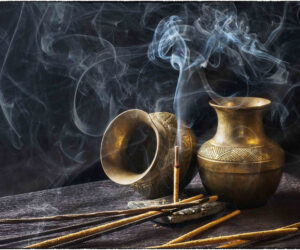
For thousands of years, humans have turned to the sacred smoke of incense to transform spaces, elevate consciousness, and connect with the divine. From ancient temples to modern meditation rooms, the art of burning incense remains one of our most enduring spiritual practices. But with hundreds of varieties available, knowing which incense to choose for specific purposes can feel overwhelming. This comprehensive guide will walk you through the world of incense, exploring the unique properties and traditional uses of different varieties, so you can make informed choices about what to burn and when to create the perfect atmosphere for your intentions. Understanding Incense Basics Before diving into specific varieties, it’s important to understand that incense works on multiple levels. The aromatic compounds released during burning can affect mood and mental state through our olfactory system, while the ritual act of lighting incense creates a psychological transition that signals the beginning of focused intention or sacred time. Different cultures have developed their own incense traditions over millennia. Indian traditions often use stick incense made with bamboo cores, while Japanese incense tends to be coreless and more subtle. Resin incenses, burned on charcoal, represent some of the oldest forms of aromatic offerings. Purification and Cleansing White Sage Perhaps the most well-known cleansing incense, white sage has been used by Indigenous peoples of the Americas for centuries in smudging ceremonies. Its sharp, herbaceous scent is believed to clear negative energy from spaces and people. Burn white sage when moving into a new home, after arguments or illness, or whenever a space feels energetically heavy. Light the bundle, let it catch fire briefly, then blow out the flame and let the smoke waft through the area you wish to cleanse. Palo Santo This “holy wood” from South America produces a sweet, woody smoke with hints of citrus and mint. Palo Santo is traditionally used for spiritual purification and energy cleansing, but with a gentler approach than sage. It’s perfect for regular space clearing, before meditation, or when you want to create a calm, protected atmosphere. The wood should be sustainably sourced, as overharvesting has become a concern. Frankincense One of the most ancient and revered incenses, frankincense has been used in religious ceremonies for over 5,000 years. Its warm, balsamic scent with subtle citrus notes makes it ideal for purification rituals, connecting with higher consciousness, and creating sacred space. Burn frankincense when you need to cleanse both physical and spiritual impurities, during prayer or meditation, or when seeking spiritual protection. Cedar Cedar’s warm, woody aroma has been used by many cultures for protection and purification. It’s particularly effective for clearing away illness or negative influences. Native American traditions often use cedar for blessing new ventures and protecting sacred spaces. Burn cedar when you’re feeling vulnerable, starting new projects, or need to create a protective barrier around your space. Meditation and Spiritual Practice Sandalwood Considered one of the most sacred incenses in Hindu and Buddhist traditions, sandalwood produces a rich, creamy fragrance that promotes deep meditation and spiritual awareness. Its compounds have been shown to have calming effects on the nervous system. Use sandalwood for meditation, yoga practice, or any time you need to quiet mental chatter and access deeper states of consciousness. It’s particularly beneficial for heart chakra work and developing compassion. Myrrh Often paired with frankincense, myrrh has an earthy, slightly bitter scent that facilitates introspection and spiritual transformation. Ancient Egyptians associated myrrh with death and rebirth, making it powerful for shadow work and processing grief. Burn myrrh during deep meditation, when working through difficult emotions, or during rituals focused on release and… …

Membership Required

You must be a member to access this content.

View Membership Levels

Already a member? Log in here

Grimoires vs Books of Shadows: Understanding the Sacred Art of Magical Record-Keeping

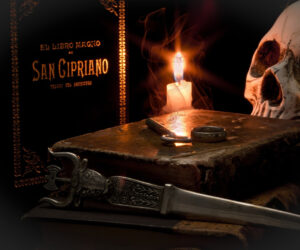
The practice of maintaining written records of magical knowledge spans millennia, yet confusion often arises between two primary forms of magical documentation: grimoires and Books of Shadows. While both serve as repositories of esoteric wisdom, they differ significantly in purpose, structure, and application. Understanding these distinctions is essential for any practitioner seeking to create meaningful magical records. Historical Context and Origins Grimoires derive their name from the Old French “grammaire,” meaning grammar or learning. These texts emerged during medieval times as systematic compilations of magical knowledge, often attributed to legendary figures like King Solomon or written by learned scholars. Traditional grimoires such as the Key of Solomon, Goetia, and Book of Abramelin established the format of comprehensive magical manuals containing detailed instructions for rituals, invocations, and ceremonial practices. Books of Shadows, conversely, are a relatively modern concept popularized by Gerald Gardner in the mid-20th century within Wiccan traditions. The term itself suggests something hidden or secret, reflecting the personal and often private nature of these records. Unlike grimoires, which were often copied and distributed (albeit secretly), Books of Shadows were traditionally hand-copied by initiates and remained within specific covens or lineages. Fundamental Differences Purpose and Function Grimoires serve as comprehensive reference manuals. They function like magical textbooks, providing standardized procedures, formulas, and theoretical frameworks that practitioners can follow regardless of their personal magical style. A grimoire aims to preserve and transmit established magical traditions with consistency and precision. Books of Shadows operate as personal magical journals. They document individual spiritual journeys, recording personal experiences, modified rituals, intuitive insights, and the evolution of one’s magical practice. These books grow organically with the practitioner, becoming unique reflections of their spiritual development. Content Structure Grimoires typically contain:~ Systematic magical theories and correspondences~ Standardized ritual procedures and invocations~ Detailed instructions for creating magical tools~ Comprehensive lists of spirits, deities, or entities~ Formulaic approaches to spell construction~ Traditional magical calendars and timing systems Books of Shadows commonly include:~ Personal ritual experiences and outcomes~ Modified or original spells and ceremonies~ Reflections on magical workings and their effectiveness~ Personal correspondences and associations~ Dreams, visions, and spiritual insights~ Seasonal celebrations and their personal significance Authority and Transmission Grimoires derive authority from tradition, scholarly compilation, or claimed divine revelation. They present themselves as authoritative sources that transcend individual interpretation. Traditional grimoires were often attributed to ancient masters or received through spiritual revelation, lending them an air of absolute authority. Books of Shadows derive authority from personal experience and genuine spiritual connection. Their value lies not in external validation but in their authentic documentation of individual magical development. The authority comes from the practitioner’s lived experience rather than historical precedent. Why Maintain These Records? Benefits of Grimoires Creating or maintaining a grimoire serves several essential functions: Systematic Learning: Grimoires provide structured approaches to magical education, ensuring practitioners develop comprehensive understanding rather than fragmented knowledge. Preservation of Tradition: They maintain the continuity of magical practices across generations, preventing the loss of valuable techniques and insights. Reference and Consistency: Established procedures in grimoires allow practitioners to repeat successful workings and troubleshoot problems by comparing their methods to proven approaches. Foundation Building: For beginners, grimoires offer solid starting points, providing tested frameworks upon which to build personal practice. Benefits of Books of Shadows Personal Books of Shadows serve equally important but different purposes: Personal Growth Tracking: They document spiritual evolution, allowing practitioners to recognize patterns, growth, and areas needing attention. Customization and Innovation: Books of Shadows encourage the development of personalized magical practices that resonate with individual spiritual needs and cultural backgrounds. Experiential Learning: Recording personal experiences helps practitioners understand what works specifically for… …

Membership Required

You must be a member to access this content.

View Membership Levels

Already a member? Log in here

The Real Guide to Manifesting ~ Beyond the Magic, Into the Method

Manifesting has become a cultural phenomenon, flooding social media feeds with promises of instant wealth, perfect relationships, and dream lives materialized through positive thinking alone. But beneath the Instagram-worthy quotes and overnight success stories lies a more nuanced practice rooted in psychology, neuroscience, and intentional action. Let’s explore what manifesting really is, how it actually works, and how to approach it with both optimism and realism. What Is Manifesting, Really? At its core, manifesting is the practice of intentionally focusing your thoughts, emotions, and actions toward bringing a desired outcome into your life. It’s not about magical thinking or bypassing the laws of physics. It’s about harnessing the power of focused intention, visualization, and aligned action to create meaningful change. The concept draws from various sources: ancient philosophical traditions that emphasize the power of thought, modern psychology’s understanding of goal-setting and visualization, and neuroscience research on how our brains process and pursue objectives. When stripped of its mystical packaging, manifesting becomes a practical framework for conscious living and intentional goal achievement. From a Witchcraft Perspective Within witchcraft and magical traditions, manifesting is often viewed as spell work. The art of directing personal energy and working with natural forces to create change in accordance with your will. This perspective brings additional layers of understanding and practice to manifesting that can deepen your connection to the process. Witches understand that everything is energy, and manifesting is fundamentally about raising, directing, and releasing energy with clear intention. This worldview sees you as an active participant in a living, responsive universe where your will, when properly focused and ethically aligned, can influence outcomes through both seen and unseen channels. The witch’s approach often includes working with lunar cycles, seasonal energies, elemental correspondences, and the understanding that timing, ritual, and symbolic action can amplify manifestation work. This isn’t superstition. It’s a sophisticated system for engaging your subconscious mind and creating psychological states that support your goals. Think of manifesting as a combination of clarity about what you want, consistent mental and emotional alignment with that desire, and persistent action toward making it reality. It’s less about the universe conspiring to grant your wishes and more about you becoming the kind of person who naturally attracts and achieves your goals. How Manifesting Actually Works: The Science Behind the Practice The Reticular Activating System (RAS) Your brain contains a network called the reticular activating system that filters the millions of pieces of information you encounter daily, highlighting what’s relevant to your current focus and goals. When you clearly define what you want to manifest, you’re essentially programming your RAS to notice opportunities, resources, and connections that align with your intentions. For example, when you decide you want to buy a red car, you suddenly start noticing red cars everywhere. They were always there, but now your brain deems them relevant. The same principle applies to manifesting. By focusing on your goals, you become more aware of pathways to achieve them. Neuroplasticity and Visualization Neuroscience research shows that the brain can’t always distinguish between vividly imagined experiences and real ones. When you visualize achieving your goals with rich detail and emotional intensity, you’re actually creating neural pathways associated with that success. This mental rehearsal can improve performance, build confidence, and increase motivation. All practical contributors to achieving your desires. The Psychology of Expectation The placebo effect demonstrates how powerful expectations can be in creating real outcomes. When you genuinely believe something is possible and maintain that expectation, you’re more likely to take the actions necessary to make it happen. You also present differently to others, often creating a… …

Membership Required

You must be a member to access this content.

View Membership Levels

Already a member? Log in here

Wands, Words & Witchery ~ An Introduction to Tools & Techniques

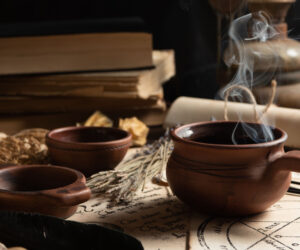
The craft takes many forms from candles flickering in the dark, salt in a circle, cards on a table, sigils on skin. Every tool we use holds power, but it’s how we use it that makes the magic real. Welcome to the Tools & Techniques section of CraftTalk, where we explore the physical and energetic elements that help us shape intention into action and thought into spell. Whether your altar is elaborate or your tools are improvised, this is a space to learn, experiment, and deepen your connection to the practical side of witchcraft. Why Tools Matter (and Why They’re Optional) Magical tools aren’t requirements, they’re invitations. They focus our energy, engage our senses, and help us connect more deeply with ritual and intention. But the true power? That comes from you. Tools are not about having the “right stuff”, they’re about building relationships with items and methods that speak to your path. What You’ll Discover on this Path In Tools & Techniques, we’ll cover: How to use traditional tools like athames, chalices, cauldrons, and wands Creating and charging tools (and how to improvise your own) Candle magic, crystal work, and elemental correspondences Casting circles, raising energy, grounding and shielding Divination tools – tarot, pendulums, runes, scrying Sigils, symbols, and magical writing Cleansing methods (smoke, water, sound, salt, light) Tech witchcraft, kitchen witchcraft, and modern-day adaptations Every tradition has its techniques and here, you get to explore them all and decide what feels aligned.You don’t need a full cabinet of crystals or a perfect grimoire. You just need curiosity, intention, and the willingness to learn what works for you. Welcome to the working side of the craft, where knowledge becomes power, and tools become allies. Resources… Membership Required You must be a member to access this content.View Membership LevelsAlready a member? Log in here...

Membership Required

You must be a member to access this content.

View Membership Levels

Already a member? Log in here

DIY Spell Kit Basics — Build Your Own Portable Magic

Sometimes magic happens on the fly. In the woods, at a friend’s house, or in a quiet moment at work. A DIY spell kit keeps your essentials close at hand, ready when inspiration strikes. Whether you’re building a travel altar, a witch-on-the-go pouch, or a compact ritual kit, this guide will help you create something uniquely yours but practical, powerful, and personal. 🧳 Why Make a Spell Kit? A spell kit is a curated collection of magical tools that: Supports spontaneous rituals and spellwork Keeps you grounded when you’re away from home Helps focus your intention with minimal effort Offers comfort, connection, and spiritual continuity It’s like a magical first-aid kit, or a travel-sized altar. 🪄 Step 1: Choose Your Container Look for something portable, secure, and easy to tuck away: A small pouch or drawstring bag A tin, box, or mint container A recycled makeup bag or pencil case A roll-up cloth wrap or travel altar box Pick something that feels special. But don’t overthink it. Function rather than fancy. 🧂 Step 2: Pick Your Essentials Here are common items you can include (adjust based on your practice): Tealight candle –  Quick rituals, fire magic, setting intention Mini vial of salt – Protection, cleansing, grounding Crystal(s) – Energy support (e.g., clear quartz for clarity) Small vial of herbs – Choose herbs you trust (lavender, rosemary, mugwort) Mini spoon or shell – For measuring, offerings, or smoke-safe surface Charcoal disc & incense – Smoke for cleansing or sacred space Matches or lighter – Essential for candles or incense Paper & pen – Write intentions, petitions, or sigils Folded cloth or napkin – Altar base or for wrapping tools Tiny charm or deity token – Spiritual connection or guide representation String, needle, or small stone – Pendulum divination  Choose tools that you have a relationship with — this kit is about your energy. 🧼 Step 3: Cleanse & Charge Your Kit Before using, take a moment to energetically cleanse your kit: Pass each item through incense or smoke Sprinkle with moon water or hold under sunlight Set your hands over the kit and speak an intention – “May this kit serve my highest good and clearest magic wherever I go.” 🧪 Step 4: Personalize It Add what feels useful, comforting, or spiritually aligned: A photo or drawing of a spirit guide or ancestor A small mirror or charm Essential oil blend for anointing Tarot card or rune for focus A sigil drawn on paper or cloth Write a tiny spell or affirmation and fold it inside your kit as its “heart.” 🛠️ Ideas for Kit Types You can build multiple kits for different intentions: Protection Kit – salt, black tourmaline, bay leaf, sigil Self-Love Kit – rose quartz, pink candle, rose petals, affirmation scroll Divination Kit – pendulum, tarot card, herb for clarity, paper + pen Seasonal/Sabbat Kit – aligned to the Wheel of the Year Start small and expand as you learn what you love to work with. Your magic is always with you. Your kit just helps bring it into form. Compact or elaborate, your DIY spell kit is a reminder that you don’t need a perfect setup to be powerful. You just need intention, connection, and a spark of belief. ✍️ Journaling Prompt What kinds of spells or rituals feel most important to carry with me right now?What tools help me feel calm, clear, and powerful, no matter where I am? More Resources Resources, Tools & Techniques🔮 Build Your First Altar — A Beginner’s GuideYour altar is a sacred space. A physical reflection of your inner world and… …

Membership Required

You must be a member to access this content.

View Membership Levels

Already a member? Log in here

How to Use a Pendulum — A Beginner’s Guide to Divination Through Movement

A pendulum is one of the simplest and most accessible divination tools. Yet it opens the door to deep clarity, spiritual communication, and energetic work. With just a little practice, you can turn a gentle swing into meaningful insight. This guide will walk you through everything you need to begin pendulum work with confidence and care. ✨ What Is a Pendulum? A pendulum is any weighted object suspended from a chain, string, or thread, that’s designed to swing freely. People have used pendulums for centuries to: Receive yes/no answers Locate objects or energies (dowsing) Connect with spirit guides or inner wisdom Detect energetic imbalances Aid decision-making or spiritual clarity You don’t need a fancy crystal to get started. A necklace, ring on a string, or key on a thread works just as well. 🧹 Step 1: Cleanse Your Pendulum Like any magical tool, your pendulum works best when energetically clear. Cleanse it using any of the following: Pass it through smoke (herbs, incense) Place it on selenite or a bowl of salt overnight Hold it in your hands and visualize white or golden light washing over it Use sound (chimes, bells, singing bowl) 🧭 Step 2: Set Up a Practice Space Find a quiet place where you can sit comfortably Rest your elbow on a table or stable surface Hold the top of the chain between thumb and forefinger Let the pendulum dangle and become still Take a few deep breaths. Ground yourself. Say aloud or silently: “I connect to my highest self / spirit / source for clear and truthful guidance.” ✅ Step 3: Establish Your Yes/No Responses Every pendulum works a little differently, so before asking questions, you need to calibrate it. Ask the pendulum to show you: “What is YES?”Wait and observe the movement (e.g., front to back, clockwise, etc.) “What is NO?”Observe again — it should be a different motion Optional: “What is MAYBE or UNCLEAR?”This could be a diagonal or back-and-forth wobble Tip: Repeat calibration each session, especially with a new pendulum or after a long break. ❓ Step 4: Ask Clear, Simple Questions Now you’re ready to ask yes/no questions. Focus on one at a time. Examples: “Is this herb energetically aligned for my intention?” “Is now a good time to do ritual?” “Should I focus on rest today?” Keep your mind calm and open.  Try not to force the answer. The more relaxed you are, the more accurate your results tend to be. ⚠️ A Few Pendulum Tips Avoid using pendulums when emotionally charged or overly tired Be specific with questions. Vague questions get vague answers Try not to repeat the same question over and over. This can confuse the energy Keep a journal of your sessions to track patterns and accuracy 🔄 Bonus: Create a Pendulum Board You can make a simple board on paper or digitally with: YES / NO / MAYBE / REPHRASE options Letters or numbers (for spelling out answers) Specific symbols (e.g., moon phases, directions, chakras) Let your creativity guide you. 🧘‍♀️ Mini Practice: Pendulum Self-Check Before a decision or ritual, ask: “Is my energy grounded and clear?” “Am I ready to receive guidance?” “What area of my life most needs attention right now?” This quick check-in can guide your focus and alignment for the day. ✍️ Journaling Prompt What does it feel like when the pendulum moves? Do I feel confident trusting it? What helps strengthen that trust? Like all magical tools, your pendulum is a mirror, reflecting the wisdom already within you. Be patient. Be curious. With time, that gentle swing can become a powerful part… …

Membership Required

You must be a member to access this content.

View Membership Levels

Already a member? Log in here

Build Your First Altar — A Beginner’s Guide

Your altar is a sacred space. A physical reflection of your inner world and magical path. Whether it’s on a bookshelf, a nightstand, or the forest floor, your altar is yours. It doesn’t have to be perfect. It just has to feel meaningful. This guide will walk you through everything you need to build your first altar. No pressure, no gatekeeping, just guidance. 🌿 What Is an Altar? An altar is a designated space where you focus your spiritual energy. It can be: A place of prayer or meditation A working space for spellcraft and ritual A tribute to deities, ancestors, spirits, or nature A visual reminder of your intentions and values Think of it as a magical anchor, a place where the physical and spiritual meet. 🛠️ Step 1: Choose Your Space Your altar doesn’t need to be big or fancy. Start with what you have: A shelf, table, windowsill, or tray A box you open when practicing (portable altar) A corner of your room or outdoor space A hidden altar if privacy is needed (inside a drawer or cabinet) Let your space reflect your comfort and needs. You can always change it later. 🔮 Step 2: Gather Your Basics Here are some simple items you can include which are all optional: Candle  – Symbol of fire, spirit, or focus Bowl of water or cup – Represents water, emotion, and flow Crystal or stone –  Grounding or energetic support Herbs, flowers, or plant – Connection to nature or earth Incense or smoke – Air element and purification Symbol of your path – Deity, ancestor photo, sigil, or object that holds meaning Journal or spellbook – For reflection and writing rituals Don’t have a specific tool? Use a substitute. Your intuition is more important than aesthetics. ✨ Step 3: Cleanse the Space Before setting up, cleanse the area to clear old energy: Light incense or use sound (a bell, chime, or clap) Wipe the surface with herbal water or intention Visualize white or golden light surrounding the space This marks your altar as sacred, ready to receive your energy. 🧭 Step 4: Set Your Intention Ask yourself: What is this altar for? Daily spiritual connection? A specific deity or ancestor? Spellwork and manifestation? Self-care and grounding? Even a simple intention like “This is my space to reconnect with myself” gives your altar purpose. 🪄 Step 5: Arrange & Activate Place your items with intention. There’s no “right” way, let your creativity guide you. You might: Represent the four elements in the four corners Place a candle at the center Add seasonal decor for sabbats or lunar phases When it feels right, take a deep breath and say (or think): “This is my sacred space. I bless it with intention and love.” 🌙 Keeping It Magical Keep your altar tidy and refreshed. Dust, change items with the seasons, or update intentions Spend time at your altar regularly, even just for a few breaths Let it evolve. Your practice will grow, and your altar can too ✍️ Reflect & Record Keep a page in your journal to record: What you included and why Any sensations or thoughts that arose while setting it up How it feels over time 🧺 Optional Add-Ons Later Moon phase tracker or lunar calendar Offering bowl or small cauldron Tarot deck or pendulum Written affirmations or spell intentions Start small. Add as you go. Let your altar grow with you. You don’t need to prove anything with your altar, only to feel connected when you sit with it. This is your space. This is your power. Welcome to… …

Membership Required

You must be a member to access this content.

View Membership Levels

Already a member? Log in here