
In witchcraft and pagan traditions, greetings often reflect shared spiritual understanding, seasonal energies, or ritual language. Here are some commonly used phrases: “Blessed be” ~ Perhaps the most well-known witch greeting, used as both hello and goodbye. It originates from traditional Wiccan liturgy: “Blessed be thy feet that have brought thee in these ways.” “Merry meet” ~ A joyful way to say hello, often paired with “Merry part, and merry meet again” as a farewell. “Bright blessings” ~ A warm and positive greeting, wishing light and good energy to the recipient. Seasonal blessings, such as: “Blessed Ostara,” “Blessed Samhain,” “Happy Yule,” etc., used during sabbats. “Happy full moon” or “New moon blessings” during lunar phases. “Well met” ~ A Renaissance-inspired greeting still embraced by many in pagan circles. “Hail and welcome” ~ A formal phrase commonly used to begin rituals or ceremonies. “May the Goddess bless you” ~ Or variations depending on one’s deities or pantheon. The greeting someone chooses often reflects their personal path, coven tradition, or spiritual focus. Many witches use everyday language outside of ritual spaces, reserving magical greetings for fellow practitioners or special occasions. ✍️ Journaling Prompt What rituals or seasonal moments already hold meaning for me, even if I’ve never called them “magical”? How might I honor them more intentionally this year? In a fast-paced world, ritual is an act of rebellion ~ a sacred pause to remember what matters, who we are, and what we’re becoming…. Membership Required You must be a member to access this content.View Membership LevelsAlready a member? Log in here...
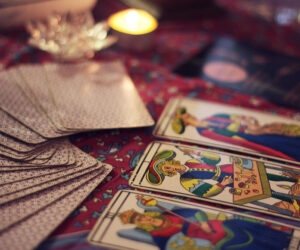
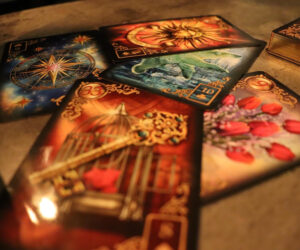
The moment I first held a tarot deck in my hands, I felt a connection that transcended the mere physical cards. There was something magical about the weight of them, the whisper of card against card as I shuffled, and the stories that unfolded with each spread. Whether you’re just beginning your journey with tarot or looking to expand your collection, choosing the right deck is both a deeply personal and practical decision. In this guide, we’ll explore the rich history of tarot, how to select decks that resonate with your spirit, and which types of decks serve different magical purposes. The Rich History of Tarot Contrary to what many believe, tarot cards weren’t originally created for divination or spiritual practice. The earliest known tarot decks appeared in 15th century Italy as elaborate playing cards called tarocchi, used by the nobility for games similar to modern bridge. These early decks featured the familiar structure we recognize today – major arcana (trump cards) and minor arcana (suited cards). But their purpose was entertainment, not enlightenment. It wasn’t until the late 18th century that tarot began its transformation into a divination tool. French occultist Jean-Baptiste Alliette (known as “Etteilla”) created the first deck specifically designed for divination around 1789, connecting the cards to Egyptian mysticism and astrology. This marked the beginning of tarot’s association with esoteric knowledge. The watershed moment in tarot history came in 1909 with the publication of the Rider-Waite-Smith deck, created by A.E. Waite and artist Pamela Colman Smith. This revolutionary deck featured fully illustrated scenes on every card. Not just the major arcana. Making the deck’s symbolism more accessible and intuitive. The Rider-Waite-Smith deck remains the foundation for most modern tarot decks and is still considered the standard for beginners. In recent decades, we’ve witnessed an explosion of diverse decks reflecting various cultures, artistic styles, and spiritual traditions. From minimalist designs to lush fantasy illustrations, today’s seeker can find decks that honor different mythologies, celebrate marginalized voices, or explore specific magical traditions. There truly is a deck for every soul. Visual Considerations The artwork is your gateway to interpretation. Some questions to ask yourself: ~ Does the imagery speak to you on a soul level?~ Can you easily read the symbolism, or does it feel confusing?~ Do the illustrations evoke an emotional response?~ Does the deck represent diverse bodies, cultures, and perspectives (if this matters to you)? The Rider-Waite-Smith deck features classic, straightforward symbolism, while decks like The Wild Unknown use stunning, minimalist animal imagery. The Fountain Tarot offers modern, abstract visuals, and The Light Seer’s Tarot presents a bohemian, light-filled aesthetic. Choose artwork that resonates with your personal style and spiritual sensibilities. Physical Aspects The tactile experience of reading tarot is important: ~ Card size: Standard cards are easy to shuffle, while larger cards showcase more detailed artwork but may be difficult for small hands~ Card stock: Thicker cards last longer but can be harder to shuffle~ Finish: Matte finishes allow for smoother shuffling, while glossy finishes enhance colors but may stick together~ Edges: Gilded edges are beautiful but can chip; plain edges are more durable I once purchased a gorgeous deck with oversized cards, only to find them impossible to shuffle comfortably. Now I always consider the physical experience as much as the visual appeal. Guidebook Quality For beginners especially, a comprehensive guidebook is invaluable: ~ Look for decks with detailed card meanings for both upright and reversed positions~ Books that include spread suggestions help you put the cards into practice~ Personal insights from the creator add depth to your understanding~ Card-specific rituals or… …
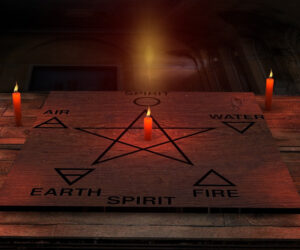
The elements are the oldest teachers – present in every breath, flame, river, and stone. To work with them is to step into the rhythms of creation itself. The Elemental Magic path connects you with the five foundational forces of many magical systems: Earth (stability, grounding, body) Air (intellect, breath, clarity) Fire (passion, transformation, will) Water (emotion, intuition, flow) Spirit (connection, unity, essence) You’ll learn how to recognize elemental energies in your environment and self, and how to call on them in ritual, spellwork, and balance. Mini Practice Ask yourself … which element do I feel most connected to right now? Which one feels missing? Write down what that might be telling you…. Membership Required You must be a member to access this content.View Membership LevelsAlready a member? Log in here...
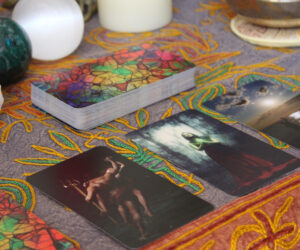
Learning to read tarot can feel overwhelming at first, but once you understand the basic structure and approach it with an open heart, the cards become trusted companions on your spiritual journey. Let’s break down everything you need to know to start reading with confidence and intuition. The Structure of a Tarot Deck A traditional tarot deck contains 78 cards, thoughtfully divided into two main sections that each serve different purposes in your readings. The Major Arcana: Life’s Big Lessons The Major Arcana consists of 22 cards that represent major life themes, spiritual lessons, and significant events. These are the cards most people recognize – The Fool, Death, The Lovers, The Star. When Major Arcana cards appear in your readings, they’re asking you to pay special attention because they highlight profound energies or important turning points in your life. Think of the Major Arcana as the universe’s way of saying, “This is significant. Listen closely.” The Minor Arcana: Daily Life and Experiences The Minor Arcana contains 56 cards divided into four suits, each representing different aspects of human experience: Cups: Emotions, relationships, love, intuition, and spiritual matters Pentacles (sometimes called Coins): Material world, money, career, health, and practical concerns Swords: Thoughts, communication, conflict, decisions, and mental challenges Wands (sometimes called Rods): Passion, creativity, energy, inspiration, and personal growth Each suit contains cards numbered Ace through Ten, plus four Court Cards: Page, Knight, Queen, and King. Understanding the Court Cards Court cards often puzzle new readers, but they become clearer when you understand they can represent either people in your life or aspects of yourself: Pages: New beginnings, students, messengers, or youthful energy Knights: Action, movement, someone pursuing goals, or your drive to achieve Queens: Mastery, nurturing energy, emotional maturity, or your inner wisdom Kings: Authority, leadership, achievement, or your ability to take charge Simple Spreads for Beginners When you’re starting your tarot journey, keep it simple. Complex spreads can be overwhelming and might discourage you from developing your intuitive connection with the cards. Single Card Draws Begin each day by asking, “What energy do I need to be aware of today?” Draw one card and spend time with it. Notice what draws your eye – colors, symbols, expressions, or feelings that arise. Trust these first impressions before consulting any guidebooks. Three-Card Spreads Once you’re comfortable with single cards, try three-card spreads. These versatile layouts can be interpreted in many ways: Past / Present / Future Situation / Action / Outcome Mind / Body / Spirit Challenge / Action / Resolution You / Other Person / Relationship Creating Your Own Spreads Don’t feel bound by traditional layouts. Tarot is beautifully flexible. Create spreads that make sense for your specific questions. Trust your creativity and intuition to guide the process. Reading with Heart and Intuition Here’s where many tarot guides miss the mark: they present rigid card meanings as if there’s only one “correct” interpretation. Real tarot reading is far more nuanced and personal. Trust Your Inner Voice First Your intuition is your greatest tarot tool. When you draw a card, what immediately catches your attention? What feelings arise? What story do you see unfolding? Start with these impressions, they often contain the most relevant messages for your situation. Traditional meanings serve as helpful guidelines, but your intuitive response is where the real magic happens. Look for Patterns and Connections Pay attention to how cards relate to each other in spreads: Multiple cards from the same suit emphasize that area of life Repeated numbers suggest themes around that energy Similar symbols or colors weave throughout the reading Visual elements that seem to… …
Witchcraft 101: Begin Your Path Welcome to your first step into the world of modern witchcraft. A space where intention, intuition, and ancient wisdom come together in powerful and personal ways. Also your starting point for exploring the world of modern magic, energy work, and spiritual empowerment. Whether you’re a curious seeker, a spiritual wanderer, someone returning to a path that’s always called to you, or simply, felt the pull of the moon, the whisper of herbs, or the call to reclaim your magic, this is a place to begin with curiosity and confidence. What Is Witchcraft? Witchcraft is a personal and often sacred practice that draws from ancient traditions, natural cycles, intuition, and intention. At its heart, it’s about connecting with energy. Your own, nature’s, and the universe’s. To bring about transformation, insight, and healing. It’s a path of empowerment and deep connection, rooted in tradition and ever-evolving with modern expression. It is not one-size-fits-all. There are many types of witches, paths, and practices. Some are devotional, others are secular. Some follow structured traditions, others forge their own. You don’t need a title, lineage, or a “perfect” altar to begin. If you feel drawn to it, you are welcome here. A Practice, Not a Religion Witchcraft is not the same as Wicca or any specific religion. Though it can blend with spiritual or religious beliefs. You can be a witch and follow any faith, no faith, or a personal mix that feels right for you. Some witches honor deities, others work with ancestors or spirits, and many simply connect to the natural world and their inner wisdom. Common Misconceptions Let’s clear up a few things right away: It is not is not evil or harmful, evil, dangerous, or “dark” in the sensationalized sense. It does not require initiation or a specific lineage. In other words, you don’t need to be born a witch. Most witches follow ethical guidelines, often rooted in “harm none” or natural consequences. It’s not about controlling others, it’s about self-growth and conscious living. It’s not all about spells and potions. Witchcraft is a practice, anyone can learn and grow into it. It can be quiet, reflective, and deeply intuitive. So… What Do Witches Do? Every witch’s path is unique, but many work with: Rituals, Setting intentions and honoring cycles (like the moon or seasons)Nature, Herbs, crystals, weather, the elementsDivination, Tarot, pendulums, dreams, and signsCraft, Spellwork, journaling, candle magic, and artWhat you do, and how you do it, is yours to define. Finding Your Path You Belong Here. Witchcraft is for the curious, the intuitive, the skeptical, the seekers, the sensitive, the powerful. It’s for those reclaiming stories, rewriting histories, or simply wanting to live more intentionally. You don’t have to know everything right now. You just have to begin.There are many directions you can go from here. Explore, experiment, and trust your instincts. Some common paths include: Green Witchcraft: Focused on herbs, plants, and nature. Divination: Working with tarot, runes, pendulums, and signs. Eclectic: A personalized blend of practices and traditions. Shadow Work: Healing the subconscious through inner reflection. Ancestral Work: Honoring lineage and inherited magic. You Are the Magic You don’t need permission to call yourself a witch.You don’t need fancy tools or a teacher to get started.You simply need curiosity, openness, and a little intention. Join us in the CraftTalk Forums to ask questions, share your practice, and connect with others on the path. You’re not alone — your journey begins now. Foundational Concepts Here are a few core ideas you’ll encounter often: Intent & Will: Your focused energy is the key to most magical workings. Correspondences: Colors, herbs, moon… …
Now that you know what witchcraft is, and what it isn’t, let’s explore the core principles that form the heart of most magical paths. These concepts will help you build a strong and flexible foundation, no matter where your journey leads. Intent is Everything At the core of every spell, ritual, or magical act is intention, the focused direction of your energy toward a purpose. This is your personal power in action. It doesn’t matter if you’re lighting a candle or crafting a complex ritual. What matters is your clarity of focus and belief in the energy you’re raising. Energy & Connection Magic works through energy. That energy can come from: Yourself (emotion, breath, movement) Nature (plants, moonlight, elements) Spirit (ancestors, deities, guides) Symbols (color, scent, objects, sound) Witchcraft helps you become more aware of these subtle energies and learn how to work with them intentionally. Correspondences: The Language of Magic You’ll often hear about “magical correspondences”, symbolic links between objects and energies. For example: Lavender – Peace, sleep, clarity Red Candle – Passion, courage Quartz Crystal – Amplification, clarity Moon (Full) – Completion, insight These aren’t rules — they’re tools. Use what resonates, adapt what doesn’t, and trust your instincts. Working With Cycles Many witches align their practice with natural cycles, such as: Moon PhasesNew Moon: beginningsFull Moon: power & releaseWaning: letting goWaxing: growth & momentumSeasons/Wheel of the YearObserving Sabbats like Samhain, Yule, or Beltane honors earth’s turning and your personal rhythm. Daily RitualsSmall, intentional acts can be powerful. Morning journaling, lighting a candle, or pulling a card. Do You Need Tools? No! You can begin with just yourself and your intention.That said, tools can help focus energy and enhance ritual. Common beginner tools include: Candle Journal Crystal Herb bundle (like lavender or rosemary) Tarot or oracle cards Start simple. Use what you already have. Let your practice grow naturally. Ready to try your first spell, journal prompt, or magical moment? Continue to Page 3: Starter Techniques & Everyday Magic →] Resources Resources, Tools & Techniques🔮 Build Your First Altar — A Beginner’s GuideYour altar is a sacred space. A physical reflection of your inner world and magical path. Whether it’s on a bookshelf, a nightstand, or the forest fVeronicaMay 15, 2024🔮 How to Use a Pendulum — A Beginner’s Guide to Divination Through MovementResources, Tools & Techniques✨ DIY Spell Kit Basics — Build Your Own Portable MagicResources, Tools & TechniquesCraftTalk Mini Guide: Tools & Techniques for Magical PracticeResources, Tools & TechniquesResourcesResources… Membership Required You must be a member to access this content.View Membership LevelsAlready a member? Log in here...
Now that you’ve learned the foundations, it’s time to begin practicing. Don’t worry, you don’t need a full altar or a witch’s cabinet to start. Witchcraft often begins with small, powerful moments woven into daily life. These beginner techniques are simple, flexible, and effective. Perfect for tuning into your energy and connecting with magic. 🧘 Grounding: Centering Your Energy What it is: A way to reconnect your body, mind, and spirit. Especially after stress, spellwork, or emotional overwhelm.How to try it:~ Sit or stand comfortably.~ Imagine roots growing from your feet deep into the Earth.~ Breathe deeply. Let any excess energy drain downward and calm energy rise back up. Grounding helps you feel safe, present, and balanced. A great habit for any witch. 🌬️ Cleansing: Clearing the Space What it is: Removing negative, stagnant, or chaotic energy from your space, tools, or even yourself.Ways to cleanse:~ Light incense or herbal bundles (like rosemary or mugwort).~ Sprinkle saltwater or use sound (bells, chimes, claps).~ Open windows and let in sunlight and fresh air.~ Visualize light sweeping through your space. Cleansing is great before rituals, after conflict, or anytime you feel “off.” 🕯️ Candle Magic: Fire & Focus What it is: Using the flame of a candle to direct your intention.Simple spell example:~ Choose a candle color that fits your goal (green = abundance, pink = love, black = protection).~ Hold the candle and state your intention clearly.~ Light it and focus on the flame as you visualize your desired outcome. Always observe fire safety and never leave candles unattended. 🌙 Moon Magic: Working With Lunar Energy The moon’s phases can guide your spellwork and reflection:~ New Moon – Best for setting intentions, fresh starts~ Waxing Moon – For growth, progress, attraction~ Full Moon – For power, clarity, releasing blocks~ Waning Moon – For letting go, banishing, reflection Try journaling your goals on a new moon or doing a release ritual under the full moon. 📓 Journaling: Your Book of Self-Discovery A witch’s journal, often called a Book of Shadows or Grimoire, is a place for:~ Writing spells or rituals~ Recording dreams and signs~ Tracking moon phases or seasons~ Documenting what works (and what doesn’t!) You don’t need anything fancy. A notebook, a Google Doc, or even your CraftTalk profile journal works perfectly. Try picking just one of these techniques and practicing it for a week. Let it become part of your rhythm. Continue to Page 4: Finding Your Path → Resources Resources, Tools & Techniques🔮 Build Your First Altar — A Beginner’s GuideYour altar is a sacred space. A physical reflection of your inner world and magical path. Whether it’s on a bookshelf, a nightstand, or the forest fVeronicaMay 15, 2024🔮 How to Use a Pendulum — A Beginner’s Guide to Divination Through MovementResources, Tools & Techniques✨ DIY Spell Kit Basics — Build Your Own Portable MagicResources, Tools & TechniquesCraftTalk Mini Guide: Tools & Techniques for Magical PracticeResources, Tools & TechniquesResourcesResources… Membership Required You must be a member to access this content.View Membership LevelsAlready a member? Log in here...
Witchcraft is not a single tradition. It’s a wide forest of paths, each one shaped by personal experience, ancestry, environment, and intuition. This page is your map into that forest. Not to tell you where to go, but to help you begin choosing where you might want to explore. There is no “wrong” way to be a witch. Your path is yours to define. Types of Witchcraft Paths Here are a few common (and overlapping) paths you might feel drawn to: 🌱 Green WitchSomeone who focuses on the natural world. Herbs, plants, gardening, seasonal cycles.Practices often include herbal magic, kitchen witchery, and working closely with the land. 🔮 Divination WitchUses tools to tap into intuitive insight. Tarot, runes, pendulums, astrology, or dreams.This path suits witches who love reflection, symbolism, and spiritual guidance. 🕯️ Hearth Witch / Cottage WitchCenters magic in the home and daily rituals . Cooking, cleaning, crafting, and domestic magic.Think of this as “home-based witchcraft,” bringing energy into everyday life. 🦉 Shadow WorkerExplores the subconscious, healing past wounds, and working through inner transformation.Often paired with journaling, meditation, therapy, and ancestral healing. 🧬 Ancestral WitchConnects with the wisdom of ancestors, bloodline, spiritual, or cultural.May include honoring family stories, spirit work, or researching magical heritage. 🌀 Eclectic WitchMixes practices, symbols, and techniques from various paths.This path is creative, flexible, and highly personal. Many modern witches are eclectic. Choosing Your Direction You don’t have to pick just one. You might blend herbal magic with tarot, or shadow work with moon rituals. Your path may evolve with the seasons, your life experiences, or your spiritual growth. Ask yourself: ~ What feels magical to me?~ What do I feel curious or excited to learn?~ What parts of witchcraft feel familiar, like coming home? Follow those answers. That’s your intuition guiding you. Tip: Try a “Path Taster Week” Spend a few days exploring each type of practice:~ One day working with herbs~ Another journaling shadow work prompts~ A third trying tarot Notice what lights you up, and what doesn’t. Continue to Final Page: You Are the Magic → Resources Resources, Tools & Techniques🔮 Build Your First Altar — A Beginner’s GuideYour altar is a sacred space. A physical reflection of your inner world and magical path. Whether it’s on a bookshelf, a nightstand, or the forest fVeronicaMay 15, 2024🔮 How to Use a Pendulum — A Beginner’s Guide to Divination Through MovementResources, Tools & Techniques✨ DIY Spell Kit Basics — Build Your Own Portable MagicResources, Tools & TechniquesCraftTalk Mini Guide: Tools & Techniques for Magical PracticeResources, Tools & TechniquesResourcesResources… Membership Required You must be a member to access this content.View Membership LevelsAlready a member? Log in here...
A quick-start companion for beginners & curious practitioners 🔮 Common Magical Tools & Their Uses Tool Use Candle Focus, intention, fire element Crystal Energy work, healing, grounding Herbs Spells, incense, tea, cleansing Salt Protection, purification, circle casting Bowl of Water Emotional balance, offerings, water element Athame/Wand Direction of energy, ritual work Pendulum Divination, yes/no answers, energy scanning Cauldron Transformation, burning herbs, brewing ✨ Cleansing & Charging Basics Cleanse Tools: Smoke (herbs/incense) Sound (chimes, clapping) Salt or moonlight Visualization (white/golden light) Charge with Intention: Hold the tool Focus on your purpose Speak or think clearly: “I charge this [tool] to support [your goal].” 🧘♀️ Energy Work Practice (Try This) Rub hands together for 10 seconds Hold them slightly apart and feel the “tingle” or warmth Visualize a small glowing sphere of energy between them Breathe into it — shape it with intention “Send” it to an object, area, or intention Use this to bless tools, calm a space, or anchor your focus. 🪄 Quick Spell Template Set Your Intention(What do you want to create or shift?) Choose 1–3 Tools(Candle, herb, crystal, symbol, etc.) State Your Words(Write or speak them aloud — keep it personal and clear) Release It(Blow out the candle, burn the paper, bury the herb) Ground & Reflect(Write down your experience or sit with it) 📝 Your Tools to Explore Write or sketch the items you feel drawn to: Remember: You don’t need every tool to start. Magic begins with you. Stay curious. Keep practicing. Let your tools evolve with your path. 🌙 Would you like this turned into: A stylized printable PDF (with illustrations, borders, etc.) A black & white ink-friendly version A bonus printable page for altar setup or spell journaling? Let me know how you’d like it designed and delivered! Perfect! Here’s the content for both: 🖤 Black & White Ink-Friendly Printable Guide CraftTalk Mini Guide: Tools & Techniques for Magical Practice(Subscriber Printable – No Color / Low Ink) 🔧 Common Magical Tools Tool Purpose Candle Focus, intention, fire element Crystal Energy work, grounding, healing Herbs Cleansing, spells, incense Salt Protection, purification Water Bowl Balance, emotions, offerings Wand/Athame Energy direction, ritual focus Pendulum Yes/No divination, energy check Cauldron Transformation, burning, brewing 🧼 Cleanse & Charge Basics Cleansing Options: Smoke (incense/herb) Sound (chime/clap) Salt or moonlight Visualize white light Charging Steps: Hold the tool Focus your purpose Say aloud: “I charge this [tool] for [intention].” ⚡ Energy Practice (Try This) Rub hands together Hold them apart slightly Visualize a glowing energy sphere “Send” it to an object or intention 🪄 Quick Spell Framework Set an Intention Choose Tools (1–3) Speak or write your words Release the spell (e.g., blow out, bury, burn) Ground + Reflect ✍️ Tools to Try 🌱 Reminder: Start simple. Intuition matters more than gear.Your tools grow with your practice. ✨ 🧾 Bonus Printable Page: Altar Setup + Spell Journal 🧭 My Altar Setup Location or Container: Purpose or Intention: Items Included & Why: Elemental Representation (optional): Earth: ____________________ Air: ______________________ Fire: _____________________ Water: ____________________ ✍️ Spell or Ritual Notes Date: ___________________________ Moon Phase / Season (optional): ___________________ Tools Used: Intention or Goal: What I Did: How I Felt: Results / Reflections: Printable Download… Membership Required You must be a member to access this content.View Membership LevelsAlready a member? Log in here...
You’ve learned the basics, explored tools and techniques, and gotten a glimpse of the many paths you might walk. But here’s the most important truth of all: Witchcraft begins and ends with you. You don’t need permission. You don’t need perfection. You just need presence, curiosity, and the willingness to grow. Your Practice, Your Power There’s no single right way to be a witch. Your practice might be quiet and private, or vibrant and shared. It might change with the seasons, or evolve with your life. ~ Trust your instincts.~ Keep learning.~ Make it your own. Everything you need is already within you. The rest is just tools to help you remember. Your Next Steps Here’s how you can start weaving magic into your daily life and deepen your path: ~ Set Up a Simple AltarChoose a small space with a few items that feel sacred. A candle, crystal, leaf, or photo. Let it be your personal power spot.~ Start a Witch’s JournalRecord dreams, spells, moon notes, or feelings. Your journal becomes your spellbook and mirror.~ Join the CraftTalk CommunityShare your questions, discoveries, and practices. This is a safe space for learning and connection.~Explore “Tools & Techniques” and “Pathways” Blogs~Build on what you’ve learned with beginner-friendly how-tos and magical insights from fellow witches. A Final Note You don’t have to be confident, experienced, or perfect to be a witch. You just have to begin, again and again, with intention.You are the spell. You are the altar. You are the magic. Resources Resources, Tools & Techniques🔮 Build Your First Altar — A Beginner’s GuideYour altar is a sacred space. A physical reflection of your inner world and magical path. Whether it’s on a bookshelf, a nightstand, or the forest fVeronicaMay 15, 2024🔮 How to Use a Pendulum — A Beginner’s Guide to Divination Through MovementResources, Tools & Techniques✨ DIY Spell Kit Basics — Build Your Own Portable MagicResources, Tools & TechniquesCraftTalk Mini Guide: Tools & Techniques for Magical PracticeResources, Tools & TechniquesResourcesResources… Membership Required You must be a member to access this content.View Membership LevelsAlready a member? Log in here...