 Written by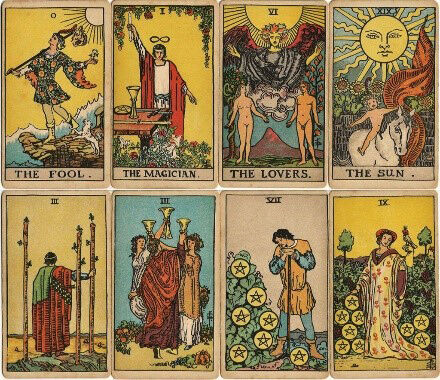
Not all decks serve the same purpose. Here’s how to match different types of decks to your magical intentions:
 Traditional Rider-Waite-Smith and Derivatives
Best for: Learning the foundational meanings, general readings, teaching others
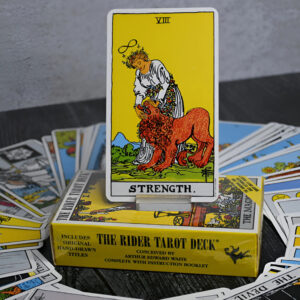
Example decks: The Original Rider Waite, The Radiant Rider-Waite, The Modern Witch Tarot
The Rider-Waite-Smith system is the standard from which most contemporary decks derive their symbolism. If you’re new to tarot, starting with this system will make it easier to learn other decks later.
These decks typically feature straightforward symbolism with clear visual cues to card meanings.
Oracle Decks vs. Traditional Tarot
Best for: Intuitive readings, beginning readers who find traditional tarot intimidating, supplementing tarot readings
Example decks: The Starseed Oracle, Moonology Oracle Cards
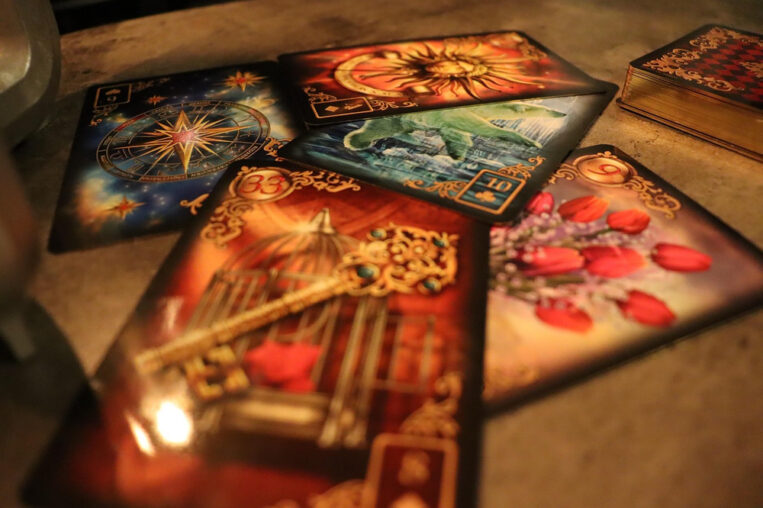
While not technically tarot, oracle decks offer more flexibility with fewer structural rules. They typically have direct messages and simpler interpretations. Many practitioners use both tarot and oracle cards. Starting or ending a tarot reading with an oracle card for additional clarity or confirmation.
Shadow Work Decks
Best for: Psychological exploration, inner child healing, trauma work
Example decks: The Light and Shadow Tarot, The Darkness of Light Tarot
With imagery that doesn’t shy away from difficult emotions, shadow work decks help us explore our unconscious patterns and hidden aspects. These decks often feature more challenging imagery and can be powerful tools for psychological healing when used mindfully.
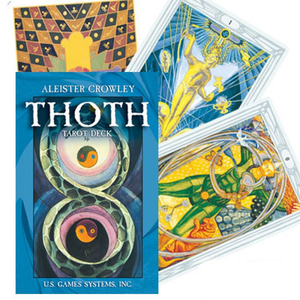 Thoth Deck and Esoteric Systems
Best for: Advanced magical work, astrological connections, Kabbalistic study
Example decks: Thoth Tarot (created by Aleister Crowley and Lady Frieda Harris), Book of Thoth
The Thoth system incorporates complex esoteric symbolism, including astrology, Kabbalah, and numerology.
These decks are generally better suited for readers who already have a foundation in tarot and are ready to explore deeper magical correspondences.
Theme-Based Decks
Best for: Connecting with specific energies, deities, or cultural traditions
Example decks: The Norse Tarot, Ancestral Path Tarot, Animal Spirit Tarot
These decks align with particular spiritual paths, mythologies, or totem energies. Choose a themed deck when working with specific pantheons or when you want to deepen your connection to certain cultural or spiritual traditions.
Seasonal Decks
Best for: Aligning readings with nature’s cycles, sabbat celebrations, seasonal transitions
Example decks: The Wildwood Tarot, The Wheel of the Year Tarot
Seasonal decks connect tarot symbolism to the natural world and cyclical changes. They’re particularly powerful for readings during sabbats, solstices, equinoxes, or when seeking guidance during life transitions.
Matching Decks to Different Types of Readings
The purpose of your reading should influence your deck choice:
Daily Draws and Quick Guidance
For daily card pulls or simple questions, consider:
~ Smaller decks that fit in your purse or pocket
~ Cards with clear, direct symbolism that can be quickly interpreted
~ Decks with keywords printed on the cards for immediate insight
My personal favorite for morning guidance is the Smith-Waite Centennial Tarot in a tin. Compact enough to keep on my nightstand yet rich with familiar symbolism that speaks to me instantly upon waking.
Deep Shadow Work
When diving into psychological exploration:
~ Choose decks with complex, emotionally evocative imagery
~ Look for cards that don’t shy away from difficult themes
~ Consider decks specifically designed for inner work
The Mary-El Tarot, with its intense, sometimes confrontational imagery, has been transformative for my shadow work practice, bringing subconscious patterns to light with unflinching clarity.
Professional Readings
When reading for others:
~ Select decks with universal symbolism that clients can relate to
~ Consider inclusivity in the artwork to help diverse clients see themselves
~ Choose cards that tell clear stories without overwhelming newcomers
The Everyday Tarot strikes a perfect balance for client readings. Modern enough to feel relevant without intimidating those new to tarot.
Specific Question Categories
Some decks align better with particular areas of inquiry:
Love and relationships: Romantic or heart-centered decks like The Heart of Stars Tarot
Career and prosperity: Decks with earthy or abundant imagery like The Tarot of the Witches
Spiritual growth: Decks with ethereal or cosmic imagery like The Starchild Tarot.
Celebratory or Seasonal Readings
For special occasions or seasonal transitions:
Samhain/Halloween: Gothic or ancestral decks like The Halloween Tarot
Beltane/May Day: Floral or fertility-themed decks like The Herbcrafter’s Tarot
Winter Solstice: Decks featuring light/dark symbolism like The Winter Waite Tarot