
 Written by
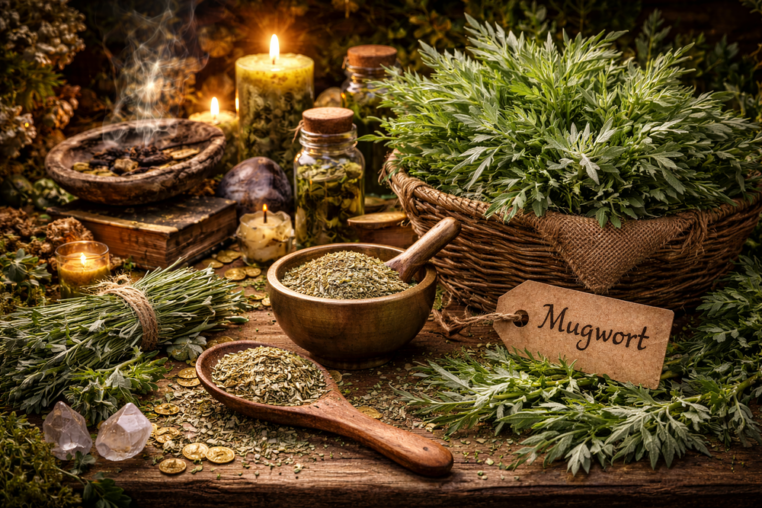
 There’s something almost otherworldly about mugwort. This hardy, silver-leafed plant grows wild across continents, thriving in forgotten corners and urban wastelands, yet it holds one of the most revered places in herbal magic and traditional medicine. Known as Artemisia vulgaris, mugwort has been called the “mother of herbs,” the “dream plant,” and a bridge between worlds.
If you’ve been searching for ways to enhance your intuition, invite vivid dreams, or deepen your spiritual practice, mugwort might be the ally you’ve been seeking.
The Cultural Legacy of Mugwort
Mugwort’s name itself hints at ancient mysteries. The genus name Artemisia comes from the Greek goddess Artemis, the lunar deity of the hunt, wilderness, and childbirth. The connection to the moon is no accident. Mugwort has long been associated with feminine power, cyclical wisdom, and the realm of dreams that emerges when daylight fades.
In medieval Europe, mugwort was known as the “mother of herbs” and was used extensively for women’s health issues, particularly menstrual problems and childbirth support. People believed it could protect travelers from fatigue, wild animals, and malevolent spirits. Roman soldiers reportedly placed mugwort in their sandals to prevent tired feet during long marches.
Across Asia, mugwort holds equally sacred status. In Traditional Chinese Medicine, it’s called àicǎo and is the primary herb used in moxibustion. A practice where dried mugwort is burned near acupuncture points to enhance healing. Korean culture celebrates mugwort in culinary traditions, making rice cakes and soups with the herb during spring festivals. In Japan, mugwort baths are taken to purify the body and spirit.
The Anglo-Saxon Nine Herbs Charm, a magical-medical text from the 10th century, lists mugwort first among nine sacred plants:
“Remember, Mugwort, what you made known, what you arranged at the Great proclamation. You were called Una, the oldest of herbs, you have power against three and against thirty, you have power against poison and against infection, you have power against the loathsome foe roving through the land.”
How Mugwort Works ~ The Spiritual and the Scientific
Mugwort is classified as an oneirogen, a substance that produces or enhances dream-like states of consciousness. While scientific research on mugwort’s dream-enhancing properties remains limited, herbalists and practitioners have documented its effects for centuries through direct experience and traditional knowledge.
The plant contains several active compounds, including thujone (a mild nervous system stimulant), various flavonoids, and aromatic volatile oils. These compounds may work together to create mugwort’s distinctive effects on consciousness and dreaming. Some herbalists suggest that mugwort doesn’t necessarily cause dreams but rather amplifies whatever dream state you naturally experience. Taking you “up a level” from your baseline.
On a spiritual level, many practitioners describe mugwort as a plant that thins the veil between the conscious and unconscious mind. It doesn’t force visions or dreams but rather opens channels that may have been blocked, allowing your natural intuitive abilities to flow more freely.
Mugwort for Lucid Dreams and Dream Recall
Perhaps mugwort’s most celebrated use is for enhancing dreams. Users consistently report more vivid, colorful, and memorable dreams when working with this herb. The experiences range from simply remembering dreams upon waking (when you normally wouldn’t) to full lucid dreaming where you become aware you’re dreaming and can direct the dream’s events.
Lucid dreaming isn’t just entertainment. Research suggests it may support mental health, emotional processing, and creative problem-solving. For people who suffer from recurring nightmares, lucid dreaming techniques combined with dream-enhancing herbs can provide a way to transform frightening dreams by gaining conscious control within them.
However, it’s crucial to understand that mugwort alone won’t make you a lucid dreamer overnight. Think of it as an enhancer or catalyst rather than a magic bullet. The herb works best when combined with intentional practices like keeping a dream journal, setting clear intentions before sleep, meditation, and breathwork.
Ways to Use Mugwort
Dream Tea
The most common method is brewing mugwort tea before bed. Use about one teaspoon of dried mugwort leaves steeped in hot water for 5-10 minutes. The taste is intensely bitter and aromatic, so many people combine it with more pleasant herbs like passionflower, lavender, blue lotus, or mint. Add honey to soften the bitterness. Drink 30-60 minutes before sleep.
Dream Pillow
Fill a small muslin bag or sachet with dried mugwort and slip it inside your pillowcase or place it near your pillow. The aromatic properties work through your sense of smell as you drift off. This method is gentle and ideal for those who want the benefits without ingesting the herb. You can combine mugwort with lavender, rose petals, or other calming herbs.
Smoking Blend
Some practitioners smoke a small amount of mugwort before bed, either alone or mixed with other herbs. This delivers the active compounds quickly but should only be done occasionally and with awareness that smoking anything carries health risks.
Tincture
Mugwort tincture (alcohol extract) offers a concentrated dose. Take 3-9 drops just before bed. This is often the simplest and most consistent method for regular use.
Incense or Smudge
Burn dried mugwort as incense to create a dreamy, meditative atmosphere. The smoke carries the herb’s energy without requiring ingestion. This method also works for cleansing sacred spaces or spiritual tools.
Bath
Add fresh or dried mugwort to a ritual bath to promote relaxation and open psychic channels. This is particularly potent when done during the full moon or before divination work.
Mugwort for Intuition and Psychic Work
Beyond dreams, mugwort has a long history as an herb for enhancing psychic abilities, clairvoyance, and spiritual vision. The plant’s association with the third eye chakra makes it a favorite among those who practice divination, mediumship, or energy work.
Try anointing your third eye (the space between your eyebrows) with diluted mugwort essential oil or placing a poultice of the fresh herb on your forehead before meditation or tarot readings. Some practitioners burn mugwort before scrying with mirrors or crystal balls, believing it opens channels to receive clearer messages.
Mugwort is also used for astral travel and shamanic journeying practices. It’s considered a protective herb that allows you to explore other realms safely while maintaining a tether to your physical body.
Emotional Clarity and Shadow Work
Working with mugwort can bring suppressed emotions and unconscious patterns to the surface through dreams and heightened awareness. This makes it a powerful ally for shadow work. The practice of exploring and integrating the hidden or denied aspects of yourself.
The plant has a reputation for revealing what you’ve been avoiding. Dreams under mugwort’s influence often contain important messages, recurring symbols, or confrontations with fears and unresolved issues. Keep your dream journal close and be prepared for insights that might be uncomfortable but necessary for growth.
Some herbalists describe mugwort as having a “no-nonsense” energy. It shows you what you need to see, not necessarily what you want to see. For this reason, approach mugwort with respect and readiness to do inner work.
Traditional Medicinal Uses
While this focuses on spiritual and magical applications, mugwort has been used medicinally for centuries. Its bitter properties make it valuable for digestive issues. It stimulates appetite, aids digestion, and can help with bloating and stomach upset.
The herb has also been traditionally used to regulate menstrual cycles and ease menstrual cramps. It’s considered an emmenagogue, meaning it encourages menstruation and blood flow to the pelvic area. This is one reason it’s strictly contraindicated during pregnancy.
CRITICAL SAFETY WARNINGS
Pregnancy and Breastfeeding
Mugwort should absolutely not be used during pregnancy. The herb can stimulate the uterus to contract and may trigger menstruation, potentially causing miscarriage. It is not recommended to use mugwort to induce abortion, as it is unpredictable and can cause serious illness or death. Little is known about its safety while breastfeeding, so it’s best to avoid it entirely during this time.
Toxicity to Dogs and Cats
Mugwort is toxic to both dogs and cats and should be kept completely out of reach of pets. For dogs, mugwort contains essential oils that act as gastrointestinal irritants and can cause vomiting, diarrhea, nausea, and intestinal cramping. Dogs may also experience lethargy, excessive drooling, or allergic reactions.
For cats, the toxicity is even more severe. Mugwort contains thujone (which has neurotoxic properties that can cause seizures), terpenes (which cause vomiting and diarrhea), and essential oils that are particularly dangerous to felines. Cats don’t even need to ingest mugwort to experience toxic effects, simply sniffing it or coming into contact with it can trigger symptoms. The sap is an irritant that causes nausea, and in severe cases, mugwort toxicity can cause irreparable damage to a cat’s central nervous system.
If your pet ingests mugwort, contact your veterinarian immediately. Veterinary treatment may include inducing vomiting, administering activated charcoal, IV fluid therapy, and monitoring liver and kidney function. For neurological symptoms like tremors or seizures, specific medications may be needed. Never store mugwort in areas accessible to pets, and be especially careful with dream pillows, sachets, or dried herbs that curious animals might chew on.
Allergies
Mugwort may cause allergic reactions in people who are sensitive to plants in the Asteraceae/Compositae family, including ragweed, chrysanthemums, marigolds, and daisies. There’s also a recognized “celery-carrot-mugwort-spice syndrome” where people allergic to birch, celery, or wild carrot may also react to mugwort. Other potential cross-allergies include white mustard, honey, hazelnut, olive, latex, peach, and kiwi.
Thujone Content
Mugwort contains thujone, a compound that in high concentrations has been linked to seizures and other neurological effects. While occasional use of properly prepared mugwort tea or dream pillows is generally considered safe for most people, concentrated forms like essential oils should be used with caution and never ingested in large amounts.
Medication Interactions
If you take any prescription medications, consult with a healthcare provider before using mugwort, as herbs can interact with pharmaceuticals in unexpected ways.
General Caution
Very little research has been done on mugwort in people, and there is not enough evidence to determine whether it is safe or useful for any health condition. While it has a long history of traditional use, scientific validation remains limited. Start with small amounts and pay attention to how your body responds.
When to Use Mugwort
Lunar Timing
Given its association with the moon and the goddess Artemis, many practitioners work with mugwort during the full moon for maximum potency. The full moon amplifies dreams and psychic abilities naturally, and mugwort enhances this effect.
Before Divination
Use mugwort before tarot readings, rune casting, scrying, or any form of divination to sharpen your intuitive reception.
During Times of Transition
When you’re at a crossroads or seeking guidance, mugwort can help you access the wisdom of your subconscious mind through dreams and intuitive flashes.
For Dream Work
If you’re actively working on understanding recurring dreams, processing trauma through dreamwork, or developing lucid dreaming skills, mugwort can be a consistent ally in your practice.
During Shadow Work Periods
When you’re ready to face difficult truths or explore hidden aspects of yourself, mugwort supports this deep psychological work by bringing unconscious material into awareness.
Creating a Mugwort Ritual
To work with mugwort intentionally rather than casually, create a simple ritual:
1. Set your space: Cleanse your bedroom with smoke, sound, or intention. Create an atmosphere conducive to rest and dreaming.
2. Set your intention: Before taking mugwort in any form, clearly state your purpose. Are you seeking answers to a specific question? Hoping to remember your dreams? Working on lucid dreaming? Speak or write your intention.
3. Prepare your mugwort: Whether brewing tea, preparing a dream pillow, or lighting incense, do so mindfully. Thank the plant for its assistance.
4. Journal preparation: Place your dream journal and pen within reach. The most vivid dream memories fade quickly upon waking, so you want to capture them immediately.
5. Sleep with awareness: As you drift off, maintain a light awareness of your intention. Some people repeat a phrase like “I will remember my dreams” or “I will know when I’m dreaming.”
6. Record upon waking: Write down everything you remember, even fragments that don’t make sense. Over time, patterns emerge.
Sourcing and Growing Mugwort
Mugwort grows wild in many parts of the world and is often considered an invasive weed. You might find it growing in urban vacant lots, along roadsides, or near bodies of water. If wildcrafting, ensure you’re harvesting from areas free of pesticides and pollution, and always positively identify the plant before use.
Many herb shops and online retailers sell dried mugwort for tea or ritual use. Look for organic sources when possible.
You can also grow mugwort in your garden, though be warned, it spreads enthusiastically and can take over if not contained. The plant prefers full sun and well-drained soil. Harvest the leaves and flowering tops in late summer when the plant is most potent.
Combining Mugwort with Other Practices
Mugwort works beautifully alongside other dream-enhancing practices and herbs. Consider pairing it with:
~ Blue lotus for euphoric, heart-opening dream states
~ Passionflower for deeper relaxation and nervous system support
~ Lavender for calming energy and peaceful sleep
~ Rose for self-love and emotional healing in dreams
~ Meditation and breathwork to quiet the mind before sleep
~ Crystal work such as placing amethyst or clear quartz near your pillow
~ Moon water made during the full moon to charge your dream tea
Respect the Plant
Mugwort has survived and thrived alongside humans for millennia. It grows where other plants won’t, adapts to harsh conditions, and offers its gifts freely to those who seek them. This resilience carries spiritual significance. Mugwort teaches us about survival, adaptation, and finding magic in overlooked places.
Approach this herb with respect. It’s not a recreational substance or a quick fix, but rather a plant ally that rewards intentional, reverential use. Thank the plant when you work with it. If you wildcraft, take only what you need and leave plenty for the plant to regenerate and for others to harvest.
Just a Note
Mugwort is not for everyone. Some people find its effects too intense or unsettling, especially if they’re not prepared for the vivid dreams and emotional material that may surface. Others feel little effect at all. Your experience will be uniquely yours.
What makes mugwort special isn’t just its chemical compounds or its long history, it’s the way this plant has consistently shown up for humans across cultures, offering access to the mysterious realm of dreams and the unconscious. In a world that often dismisses dreams as meaningless, mugwort reminds us that they carry wisdom, healing, and messages worth receiving.
Whether you’re seeking lucid dreams, clearer intuition, emotional insight, or simply a deeper relationship with your inner world, mugwort offers a time-tested pathway. Begin slowly, listen to your body and your dreams, and let this ancient herb guide you toward the wisdom that already lives within you.
Sweet dreams, and safe journeys through the landscapes of sleep.