

 Written by
 The word “witch” carries weight. Say it aloud and watch how the air changes. For centuries, it’s been used as an accusation, a threat, a death sentence. But before that, and increasingly now, it meant something else entirely. A person who walks between worlds, who knows the language of herbs and stars, who refuses to be limited by what others say is possible.
The symbols associated with witchcraft tell stories too. Some are ancient, rooted in pre-Christian traditions. Others emerged during the witch trials, assigned to witches by those who feared them. And some have been reclaimed in recent decades by those who wear the title proudly.
Let’s explore what these symbols mean, where they come from, and what they represent to those who practice the craft today.
The Witch Herself ~ What Does It Mean?
Before diving into symbols, we need to understand what “witch” actually signifies.
Etymology: The word likely derives from Old English “wicce” (feminine) and “wicca” (masculine), possibly related to “wiccian” meaning “to practice sorcery” or “witan” meaning “to know.” A witch is, fundamentally, one who knows. Particularly knowledge that exists outside acceptable channels.
Historical Meaning: Throughout history, witches were healers, midwives, herbalists, and wise women who served their communities. They knew which plants stopped bleeding, eased childbirth, prevented pregnancy, or caused visions. This knowledge made them essential, and dangerous to those in power.
Modern Meaning: Today, witch encompasses many practices, Wicca, traditional witchcraft, folk magic, chaos magic, eclectic practices, and more. What unites them is working with energy, intention, and the natural world to create change.
To call yourself a witch is to claim agency, to say you won’t wait for permission or divine intervention. You’ll work the magic yourself.
The Pentacle/Pentagram ~ Protection and the Elements
The Symbol: A five-pointed star, often enclosed in a circle. When the point faces up, it’s generally considered protective. Point down has been associated (often incorrectly) with dark magic, though some traditions use it deliberately to represent different aspects of the craft.
Meaning: Each point represents one of the five elements.
~ Earth (lower left): grounding, stability, the physical body
~ Air (lower right): intellect, communication, breath
~ Fire (upper right): passion, transformation, will
~ Water (upper left): emotion, intuition, the subconscious
~ Spirit (top point): the divine, consciousness, what connects all things
The circle around it represents unity, protection, and the infinite nature of energy.
History: The pentagram is ancient, appearing in Mesopotamian and Greek contexts long before Christianity. Pythagoras used it as a symbol of mathematical perfection. Early Christians associated it with the five wounds of Christ. It wasn’t until much later that it became exclusively linked with witchcraft and paganism. Often through the very trials that sought to destroy these practices.
Modern Use: Witches wear pentacles for protection, to signify their path, and to remind themselves of the elemental balance they work to maintain.
The Cauldron ~ Transformation and the Womb of Creation
The Symbol: A large pot, usually cast iron, often depicted bubbling with mysterious contents.
Meaning: The cauldron represents transformation, the place where raw ingredients become something new. It’s the womb, the grave, the place of death and rebirth. What goes into the cauldron emerges changed.
History: Cauldrons appear in Celtic mythology as vessels of plenty and rebirth. The Dagda’s cauldron never ran empty. Cerridwen’s cauldron brewed inspiration and knowledge. In practical terms, cauldrons were essential tools for cooking, brewing medicine, and yes, creating herbal preparations that looked suspiciously like “potions” to the uninformed.
Modern Use: Witches use cauldrons (or any fireproof bowl) for burning herbs, mixing ingredients, scrying, or as a symbolic representation of the Goddess. The cauldron holds what needs to transform.
The Broom/Besom: ~ Boundaries and Cleansing
The Symbol: A traditional broom, often handmade with natural materials.
Meaning: The broom sweeps away negative energy, marks boundaries, and prepares sacred space. It’s a tool of purification and protection.
History: The witch’s broom became infamous through medieval propaganda that depicted witches flying on broomsticks to sabbaths. The origin of this image is debated. Some suggest it relates to hallucinogenic salves applied with broom handles, others point to fertility rites involving jumping over brooms in fields, and some believe it was simply misunderstood domestic magic (women sweeping thresholds for protection).
Modern Use: Witches use brooms to ritually cleanse spaces before spellwork, to sweep negative energy out of their homes (without touching the floor), and in handfasting ceremonies where couples jump over the broom to mark their union. The broom represents the ability to clear away what you don’t want, making space for what you do.
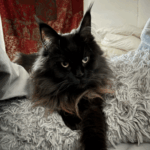
The Black Cat ~ Familiar Spirits and Independence
The Symbol: A black cat, often depicted with witches or crossing paths.
Meaning: Cats, especially black ones, represent independence, mystery, the ability to move between worlds, and psychic sensitivity. They’re associated with the moon, the night, and feminine power.
History: Cats were sacred in ancient Egypt, associated with the goddess Bastet. In medieval Europe, they became suspect because of their independent nature and nocturnal habits. Black cats especially were believed to be witches in disguise, demons, or “familiars”, spirits in animal form that aided witches in their magic. Many cats were killed during witch hunt periods, which ironically may have contributed to rat populations and plague outbreaks.
Modern Use: Many witches keep cats not because tradition demands it, but because cats naturally gravitate toward people who work with energy. They’re sensitive to spiritual activity, excellent at protecting spaces from negative entities, and their independent nature mirrors the witch’s own refusal to be controlled. Plus, as anyone with a cat on their altar knows, they have their own relationship with ritual.
The Moon ~ Cycles, Intuition, and Divine Feminine
The Symbol: The moon in various phases, often the triple moon (waxing crescent, full moon, waning crescent).
Meaning: The moon represents cycles, intuition, the subconscious, emotional wisdom, and the divine feminine. The triple moon specifically represents the Goddess in her three aspects – Maiden (waxing), Mother (full), and Crone (waning).
History: Moon worship predates written history. Nearly every ancient culture tracked time by the moon and associated her with feminine deities. The moon’s visible transformation, from nothing to full to nothing again, made her a natural symbol for change, death, and rebirth.
Modern Use: Witches work with lunar phases for timing spells and rituals. The moon is drawn down in ritual, invoked for wisdom, and honored as a representation of the cyclical nature of all things. Moon water, made under the full moon (like you make for your gratitude altar), is charged with lunar energy for use in magical work.
The Athame ~ Will and Directed Energy
The Symbol: A ritual knife, usually double-edged with a black handle.
Meaning: The athame represents the element of air (in some traditions fire), the intellect, will, and the ability to direct energy. It cuts through illusion and marks boundaries.
History: Ritual blades appear in many magical traditions. The athame became specifically associated with modern Wicca and witchcraft through Gerald Gardner and others who formalized practices in the mid-20th century, though ceremonial magic had used ritual daggers for centuries before.
Modern Use: The athame isn’t used for physical cutting but for directing energy. Casting circles, invoking quarters, channeling power during ritual. It’s a tool of focused will and intention.
The Spiral ~ Journey, Evolution, and Return
The Symbol: A spiral, either singular or double (like a labyrinth).
Meaning: The spiral represents the journey inward and outward, evolution, the cycles of life, death, and rebirth. It’s the path that seems to return to where it started but at a different level of understanding.
History: Spirals appear in Neolithic art throughout Europe, notably at Newgrange in Ireland. They’re among humanity’s oldest symbols, representing everything from the cosmos to the journey of the soul.
Modern Use: The spiral reminds witches that growth isn’t linear. You revisit the same lessons, the same challenges, but each time you’re different. The path winds but always moves forward.
Herbs and Plants ~ Nature’s Pharmacy and Spell Cabinet
The Symbols: Specific plants like rosemary, sage, mugwort, lavender, belladonna, mandrake, and countless others.
Meaning: Each herb carries specific properties. Rosemary for remembrance and protection, sage for cleansing, mugwort for dreams and divination, lavender for peace and love.
History: Herbalism was the witch’s primary craft. Before modern medicine, plant knowledge was healthcare. The same herbs that healed could harm in different doses, making herbalists both essential and feared. Many women executed as witches were simply skilled healers who threatened medical establishments or knew too much about preventing pregnancy.
Modern Use: Witches grow, harvest, and use herbs in teas, spell bags, incense, oils, and ritual. Each plant is a ally with its own spirit and gifts to offer.
The Chalice ~ Receptivity and Emotional Wisdom
The Symbol: A cup or goblet, often used to hold wine or water in ritual.
Meaning: The chalice represents the element of water, the womb, receptivity, emotions, and the divine feminine. It holds what is offered and transforms it.
History: Sacred cups appear across cultures – the Holy Grail, the cup of Cerridwen, the vessel of Hebe. The chalice has always represented the container for divine wisdom and transformation.
Modern Use: Witches use chalices to hold ritual beverages, represent the Goddess, and symbolize their capacity to receive wisdom, energy, and blessing.
The Horned God ~ Wild Nature and Primal Power
The Symbol: A figure with horns or antlers, often representing masculinity, nature, the hunt, and sexuality.
Meaning: The Horned God embodies wild nature, the cycle of life and death, masculine divine energy, and the untamed aspects of existence.
History: Horned deities appear throughout history. Cernunnos (Celtic), Pan (Greek), and many others. Christianity demonized these figures, literally, the devil is often depicted with horns as a direct assault on pagan worship.
Modern Use: Many witches honor the Horned God alongside the Goddess, recognizing both masculine and feminine divine energy. He represents the wild, the instinctual, the parts of ourselves that civilization tries to tame.
The Eye ~ Protection and Spiritual Sight
The Symbol: An eye, often stylized or depicted within symbols like the evil eye (Nazar) or the Eye of Horus.
Meaning: The eye represents spiritual perception, protection from malevolent forces, awareness, and the ability to see beyond the veil of ordinary reality. It’s both what watches over you and your own developed intuition.
History: Eye symbols appear across cultures. The Egyptian Eye of Horus for protection and royal power, the Greek evil eye talismans to ward off curses, the Hamsa hand with an eye in Islamic and Jewish traditions. The “third eye” concept appears in Hinduism and Buddhism as the seat of intuition and spiritual sight.
Modern Use: Witches use eye symbols for protection, to enhance psychic abilities, and as reminders to trust their intuition. Carrying an evil eye charm or drawing an eye symbol during spell work invokes both protection and heightened awareness.
The Triple Goddess ~ Maiden, Mother, Crone
The Symbol: Three figures representing different life stages, or the triple moon symbol (crescent, full, crescent).
Meaning: The Triple Goddess embodies the complete life cycle of feminine energy. The Maiden (youth, new beginnings, potential), the Mother (fertility, nurturing, creation), and the Crone (wisdom, death, transformation). Together they represent the fullness of experience.
History: Triple goddess figures appear in ancient mythology – the Greek Moirai (Fates), Hecate in her three forms, the Celtic Brighid, and the Norse Norns. The concept of divine femininity moving through stages rather than being static challenged patriarchal religious structures that preferred singular, unchanging deities.
Modern Use: Many witches, particularly those in goddess-centered practices, honor the Triple Goddess as a way of acknowledging all phases of life and power. You might invoke the Maiden for new projects, the Mother for creation and nurturing, and the Crone for wisdom and necessary endings.
Crystals and Stones ~ Earth’s Concentrated Energy
The Symbols: Specific stones like amethyst, clear quartz, obsidian, moonstone, rose quartz, and countless others.
Meaning: Each crystal carries specific energetic properties. Amethyst for spiritual awareness and protection, clear quartz as an amplifier, obsidian for grounding and shadow work, moonstone for intuition and lunar connection, rose quartz for love and emotional healing.
History: Humans have ascribed power to stones since prehistoric times. Ancient Egyptians used lapis lazuli and turquoise in burial rites. Medieval lapidaries (stone encyclopedias) detailed the healing and magical properties of gems. Indigenous cultures worldwide have sacred stones. The modern crystal healing movement emerged in the New Age era but draws on much older traditions.
Modern Use: Witches use crystals in spell work, carry them for specific intentions, place them on altars, create grids for focused energy work, and use them for meditation and healing. Whether you believe in their metaphysical properties or appreciate them as beautiful focus objects for intention, crystals have become central to modern witchcraft.
The Raven/Crow ~ Death, Prophecy, and Magic
The Symbol: A black bird, particularly ravens and crows.
Meaning: Ravens and crows represent death (as psychopomps who guide souls), prophecy, intelligence, magic, and the mysteries. They’re messengers between worlds, carriers of secrets, and symbols of transformation through darkness.
History: Ravens appear in mythology worldwide. Odin’s ravens Huginn and Muninn (thought and memory), the Morrigan appearing as a crow in Irish legend, ravens at the Tower of London protecting the kingdom, and Native American trickster tales. Their association with battlefields and death made them both revered and feared.
Modern Use: Witches see crows and ravens as powerful omens and allies. Their appearance during ritual or at significant moments is noted. Some witches work specifically with crow/raven energy for shadow work, divination, and accessing hidden knowledge.
The Wheel of the Year ~ Sacred Cycles
The Symbol: A wheel divided into eight sections representing the Sabbats (seasonal festivals).
Meaning: The Wheel of the Year represents the eternal cycle of seasons, birth and death, light and dark.
The eight Sabbats are:
~ Samhain (October 31)
~ Yule (Winter Solstice)
~ Imbolc (February 1-2)
~ Ostara (Spring Equinox)
~ Beltane (May 1)
~ Litha (Summer Solstice)
~ Lammas/Lughnasadh (August 1)
~ Mabon (Autumn Equinox)
History: While the modern Wheel of the Year was formalized in the 20th century by Gerald Gardner and others, it draws on genuine ancient Celtic fire festivals (Samhain, Imbolc, Beltane, Lammas) and astronomical solar events (solstices and equinoxes). These weren’t originally practiced as one unified calendar but represented genuine agricultural and astronomical observances.
Modern Use: Many witches structure their practice around the Wheel of the Year, celebrating each Sabbat with rituals that honor the season’s energy. It provides a framework for working with natural cycles and marking time in a sacred way.
The Serpent/Snake ~ Transformation and Hidden Wisdom
The Symbol: A snake, often coiled or in the act of shedding its skin.
Meaning: Serpents represent transformation, rebirth, healing, sexuality, kundalini energy, and hidden or forbidden knowledge. They move between earth and water, symbolizing their liminal nature.
History: Snake symbolism is ancient and complex. The serpent in Eden representing knowledge, Asclepius’s healing rod with entwined serpents (now the medical caduceus), the ouroboros (snake eating its tail) representing eternity and cycles, kundalini serpent energy in Hindu traditions, and countless snake goddesses and gods across cultures.
Modern Use: Witches work with serpent energy for shadow work, healing, sexual magic, and transformative practices. The snake’s ability to shed its skin makes it a powerful ally for anyone working through significant change.
Knot Work and Cord Magic ~ Binding and Releasing
The Symbol: Knots, braided cords, or intricate Celtic knotwork designs.
Meaning: Knots represent the binding of energy, the tying up of intention, connection, and the interweaving of fate. Tying knots traps energy; releasing them sets it free.
History: Knot magic appears worldwide. Sailors’ wind knots, Celtic love knots, witches’ ladders (knotted cord with feathers for spell work), and the endless knots of Celtic art representing eternity and interconnection. The phrase “tying the knot” for marriage comes from various hand-fasting and binding rituals.
Modern Use: Witches use cord magic by knotting intentions into string while chanting, creating witches’ ladders for ongoing spell work, or using knots in binding spells. Handfasting ceremonies literally tie couples together with cord. Untying knots can release energy or break unwanted bonds.
The Witch’s Ladder ~ Layered Intentions
The Symbol: A braided cord with feathers, beads, or other objects woven into it, often with nine knots.
Meaning: A witch’s ladder is a physical spell. A tool that holds layered intentions in its construction. Each knot or object represents a specific intention or aspect of the working.
History: Witch’s ladders were documented in witch trial testimony and found in old houses, often hidden in walls or chimneys. They were considered evidence of malevolent magic, though they were more likely protection charms or manifestation tools.
Modern Use: Creating a witch’s ladder is an active meditation. You braid while focusing on your intention, tie knots while chanting, weave in feathers or herbs that correspond to your goal. The finished ladder can be hung in your space, kept on your altar, or buried depending on the working’s purpose.
The Book of Shadows/Grimoire ~ Accumulated Wisdom
The Symbol: A personal magical journal or book of spells.
Meaning: The Book of Shadows (Wiccan term) or grimoire (traditional witchcraft term) represents personal magical knowledge, accumulated wisdom, spells that have worked, correspondences, rituals, and the documented journey of practice.
History: Historical grimoires like the Key of Solomon and the Lesser Key of Solomon date back centuries, containing ceremonial magic instructions. The modern concept of a personal Book of Shadows was popularized by Gerald Gardner. In reality, cunning folk and wise women likely kept notes on herb lore and helpful techniques, though many couldn’t write.
Modern Use: Most witches keep some form of magical journal, recording spells, tracking moon phases and their personal responses, pressing herbs, noting dreams and omens, and building a personalized reference library. Unlike historical grimoires with their rigid formats, modern books are as individual as their keepers.
The Ankh ~ Life Force and Immortality
The Symbol: The Egyptian ankh, a cross with a loop at the top.
Meaning: The ankh represents life, life force, immortality, and the union of masculine and feminine energies. It’s the key to eternal life and divine wisdom.
History: One of ancient Egypt’s most important symbols, the ankh appears in countless hieroglyphs and artworks, often held by deities or placed at the nose of the deceased to represent the breath of life. Gods and goddesses carry ankhs, granting life to humans and other gods.
Modern Use: Eclectic witches incorporate the ankh for life-affirming magic, protection, and connecting with Egyptian deities or the mysteries of death and rebirth. It’s worn as jewelry or drawn in ritual to invoke life force.
The Green Man ~ Nature’s Consciousness
The Symbol: A face made of or surrounded by leaves, often with foliage growing from the mouth.
Meaning: The Green Man represents nature’s spirit, the consciousness of the plant world, cycles of growth and decay, and humanity’s connection to the wild.
History: Green Man carvings appear throughout medieval European churches, despite, or perhaps because of, Christianity’s dominance. The symbol is likely much older, representing pre-Christian nature worship that was never fully eradicated.
Modern Use: Green witches and those working closely with plant spirits honor the Green Man as a representation of nature’s intelligence and the living consciousness of the earth. He reminds us that we’re part of nature, not separate from it.
The Besom and Broom Closet ~ Hidden Identity
The Symbol: Beyond the literal broom, “the broom closet” has become slang for witches who haven’t publicly disclosed their practice.
Meaning: “Coming out of the broom closet” means openly identifying as a witch, claiming your practice publicly despite potential judgment or consequences.
History: This phrase emerged in modern witchcraft communities, borrowing from LGBTQ+ terminology of “coming out of the closet.” It acknowledges that practicing witchcraft can still carry social risk, professional consequences, or family rejection.
Modern Use: Many witches navigate the choice of being open about their practice or keeping it private. There’s no shame in staying in the broom closet. Safety and privacy are valid choices. The symbol represents the ongoing reality that witchcraft, despite growing acceptance, isn’t universally welcomed.
Reclaiming the Symbols
Every symbol associated with witchcraft carries layers of meaning. The original power, the fear projected onto it, and the reclaimed significance for modern practitioners.
When you wear a pentacle or set a black cat as your phone’s wallpaper or draw down the moon, you’re not just decorating. You’re participating in an act of reclamation. You’re saying that what was once used to condemn now belongs to you. That the power others feared is yours to wield.
The symbols don’t make you a witch. But they can remind you what you are: someone who knows, who transforms, who works with forces others would rather ignore. Someone who stands at the threshold between worlds and refuses to choose just one.
The meanings are yours to make. The magic is already inside you. The symbols just help you remember.